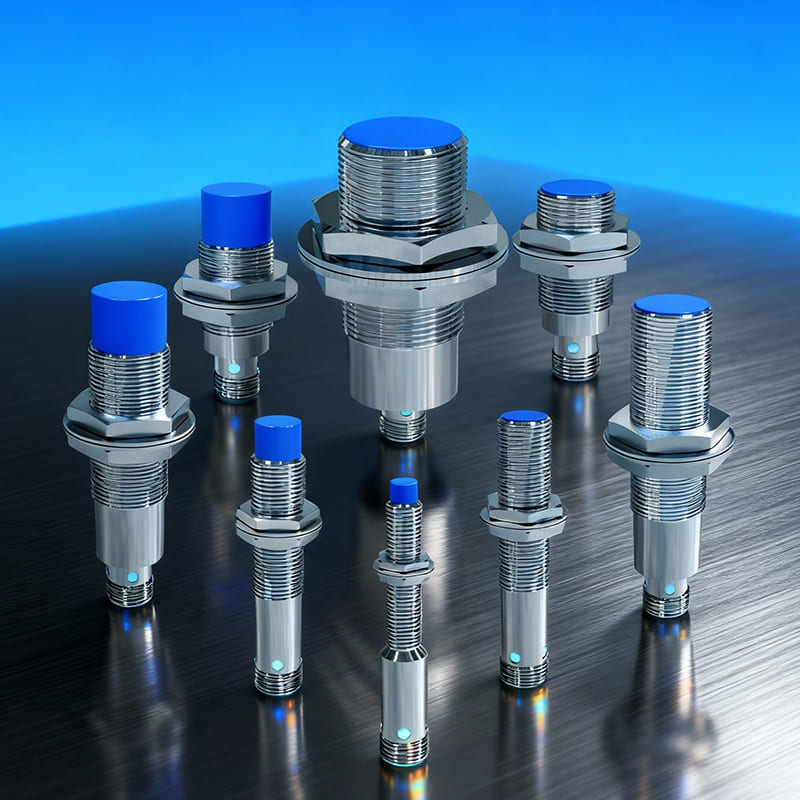
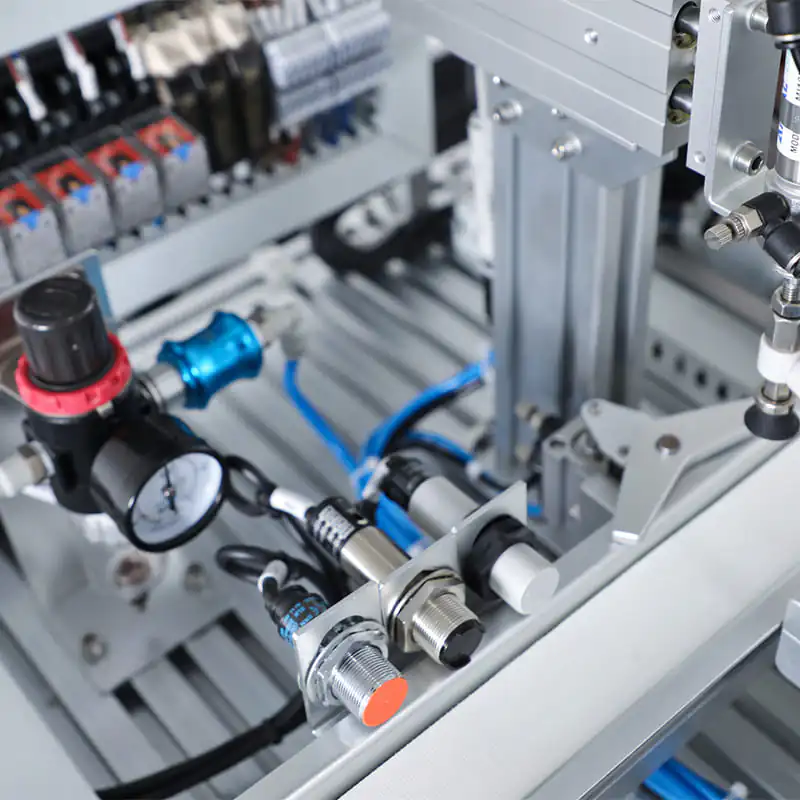
Foreign object detection machines are critical to industrial quality control, safeguarding product safety, enhancing brand reputation, and ensuring compliance with industry standards across sectors like food, pharmaceuticals, electronics, and security. At the core of these machines lies sensor technology, and BEDOOK sensors—including proximity sensors, fiber optic sensors, photoelectric sensors, and laser displacement sensors—deliver reliable, high-precision detection capabilities tailored to the unique demands of foreign object inspection.
In industrial workflows, BEDOOK sensors address pressing engineering challenges: inadequate detection accuracy for tiny contaminants, false alarms caused by environmental interference, slow response times in high-speed production lines, and compatibility issues with diverse product types. By resolving these pain points, BEDOOK sensors enable consistent, non-destructive inspection that minimizes product waste and operational downtime.
Engineers, production technicians, quality control specialists, and plant integrators in industries relying on foreign object detection stand to benefit significantly from this technical knowledge. This article covers the working principles of BEDOOK sensors in foreign object detection machines, their targeted applications across different detector types, common troubleshooting solutions, and expert recommendations—providing a comprehensive guide to leveraging BEDOOK sensor technology for industrial excellence.
BEDOOK sensors employed in foreign object detection machines operate on specialized physical principles aligned with inspection needs:
- Proximity Sensors: Utilize inductive, capacitive, or photoelectric effects to detect the presence of metallic/non-metallic foreign objects without physical contact, triggering signals when objects enter the detection range.
- Fiber Optic Sensors: Transmit light through optical fibers; changes in light intensity (caused by foreign objects blocking or reflecting light) are converted into electrical signals for high-sensitivity detection.
- Photoelectric Sensors: Emit light (visible or infrared) and measure reflected/transmitted light to identify foreign objects, with variants like diffuse, retro-reflective, and through-beam models for different scenarios.
- Laser Displacement Sensors: Use laser triangulation or time-of-flight principles to measure distance and detect minute foreign particles by capturing surface irregularities.
These sensors integrate seamlessly with foreign object detection machine systems, converting physical stimuli (presence, distance, light variation) into digital or analog signals that drive automated inspection and rejection processes.
BEDOOK sensors for foreign object detection feature rugged, industry-grade designs with three core components:
- Sensing Element: The functional core (e.g., inductive coils for proximity sensors, CCD chips for optical sensors) that interacts with target objects.
- Signal Processing Module: Filters noise, amplifies weak signals, and converts raw data into usable electrical outputs (compatible with PLCs and machine control systems).
- Protective Casing: IP67+ rated enclosures resistant to dust, moisture, and mechanical vibration—critical for harsh industrial environments like food processing plants or electronics factories.
Specialized variants include high-precision laser sensors for micro-contaminant detection and high-temperature resistant photoelectric sensors for use in heated production lines, aligning with BEDOOK’s focus on application-specific performance.
In foreign object detection machines, BEDOOK sensors follow a standardized operational sequence:
- The sensor is calibrated to preset parameters (detection range, sensitivity, response time) based on the product and foreign object type (e.g., metal shavings, plastic fragments).
- As products pass through the detection zone, the sensing element captures physical changes (e.g., magnetic field distortion for metal, light blockage for non-metals).
- The signal processing module cleans and amplifies the data, comparing it to preset thresholds.
- If a foreign object is detected, the sensor sends a trigger signal to the machine’s control system, which activates the rejection mechanism (e.g., air jets, conveyor diverters) to remove the defective product.
For example, in X-ray foreign object detection machines, BEDOOK line scan sensors scan products line-by-line as they move on conveyors, converting X-ray absorption data into digital images that reveal hidden contaminants—enabling real-time quality inspection.
Critical performance parameters for BEDOOK sensors in this application include:
- Detection Accuracy: Up to ±0.01mm for laser displacement sensors, ensuring identification of micro-contaminants (e.g., 0.1mm metal particles).
- Response Time: <5ms for photoelectric and fiber optic sensors, supporting high-speed production lines (up to 300 products per minute).
- Operating Temperature Range: -20°C to 85°C for standard models, with high-temperature variants rated up to 150°C for specialized processes.
- Detection Range: 0.5–50mm for proximity sensors, 1–1000mm for photoelectric sensors, and 0.1–10m for laser sensors—accommodating diverse product sizes.
Environmental factors such as dust, humidity, and electromagnetic interference (EMI) require additional safeguards: BEDOOK sensors feature shielded cables to reduce EMI, anti-fog lenses for optical models, and corrosion-resistant casings for use in wet environments (e.g., food washing lines).
Modern foreign object detection machines often employ multi-sensor configurations, and BEDOOK sensors are designed for seamless integration with complementary technologies (e.g., X-ray detectors, weight sensors). For instance, in metal detection and weighing integrated machines, BEDOOK proximity sensors verify metal presence while pressure sensors measure product weight—delivering dual-layer quality control aligned with automated contaminant detection solutions trends.
BEDOOK sensors are deployed across key industries relying on foreign object detection, integrating into critical production stages (e.g., post-manufacturing inspection, pre-packaging quality checks) to ensure end-product safety. Core application sectors include:
- Food & Beverage: Detection of metal, glass, or plastic contaminants in processed foods, beverages, and packaging.
- Pharmaceuticals: Identification of foreign particles in drugs (tablets, capsules) and medical devices, complying with GMP standards.
- Electronics: Inspection of PCB assemblies for metal shavings, solder residues, or foreign components that could cause short circuits.
- Security & Logistics: Detection of prohibited items (e.g., weapons, explosives) in luggage or parcels.
- Textiles & Toys: Identification of needle fragments, metal wires, or non-textile contaminants in finished products.
-
Metal Detection Machines:
- BEDOOK inductive proximity sensors form the core of the detection head, generating a magnetic field that distorts when metal contaminants pass through. This triggers an alarm and rejection, with sensors calibrated to detect ferrous (iron) and non-ferrous (aluminum, copper) metals—widely used in food processing to prevent metal fragments from entering final products.
- Product models like BEDOOK FQ31-R4N-P11P2 integrate with conveyor systems, providing real-time metal detection with minimal false triggers.
-
X-Ray Foreign Object Detection Machines:
- BEDOOK line scan sensors capture X-ray signals that penetrate products, converting density variations (between food/medicine and contaminants like bone, stone, or plastic) into high-resolution images. This makes them ideal for sealed or opaque products (e.g., canned food, bottled drinks) where surface inspection alone is insufficient.
- BEDOOK area scan sensors offer fast, single-shot imaging for irregularly shaped products (e.g., medical devices, electronic components), enabling rapid detection of hidden foreign objects without requiring the product to move continuously through the detection zone.
-
Optical Detection Machines:
- CCD Vision Inspection: BEDOOK CCD sensors capture product surface images, using optical reflection principles to identify foreign objects (e.g., stains, dust, or non-native materials) in food packaging, textiles, and toys. Fiber optic sensors enhance sensitivity for low-contrast contaminants.AOI Automatic Optical Inspection: In electronics manufacturing, BEDOOK photoelectric sensors and laser displacement sensors scan PCB assemblies, comparing captured images to standard templates to detect solder defects, foreign components, or solder joint deviations—critical for ensuring product reliability.
- AOI Automatic Optical Inspection: In electronics manufacturing, BEDOOK photoelectric sensors and laser displacement sensors scan PCB assemblies, comparing captured images to standard templates to detect solder defects, foreign components, or solder joint deviations—critical for ensuring product reliability.
-
Metal Detection and Weighing Integrated Machines:
- BEDOOK proximity sensors (for metal detection) and pressure sensors (for weight measurement) work in tandem to reject products that contain contaminants or deviate from weight specifications. This dual functionality is widely used in the pharmaceutical and food industries, aligning with inline quality control inspection requirements.
BEDOOK sensors directly solve industry-specific pain points:
- Food Industry: Eliminates contamination risks from processing equipment (e.g., metal blades, plastic parts) and raw materials, reducing product recalls and ensuring compliance with FDA/ISO standards.
- Pharmaceutical Industry: Detects micro-particles in sterile products, addressing quality control gaps that could compromise patient safety.
- Electronics Industry: Identifies hidden metal contaminants that cause product failures, reducing warranty claims and improving production yield.
- Security Industry: Provides high-sensitivity detection of prohibited items, enhancing public safety without slowing down logistics workflows.
False alarms typically stem from three factors: 1) High sensitivity settings detecting non-hazardous metal components (e.g., product packaging); 2) Environmental interference (e.g., nearby metal equipment, EMI); 3) Sensor contamination (dust or product residue on the detection surface). Solutions: Adjust sensitivity to match product specifications (e.g., ignore packaging metal); Install the sensor away from metal structures and use shielded cables (compliant with IEC 61000-6-3 standards); Clean the sensor surface regularly with a dry, lint-free cloth.
Insufficient accuracy may result from improper sensor selection or alignment. Solutions: Replace standard photoelectric sensors with BEDOOK high-precision laser displacement sensors (detection accuracy ±0.01mm); Adjust the sensor’s installation angle to ensure direct illumination of the product surface; Calibrate the sensor using a standard reference target (e.g., 0.1mm metal fragments) to optimize threshold settings.
Unresponsiveness often indicates inadequate response time or signal delay. Solutions: Upgrade to BEDOOK high-speed photoelectric sensors (response time <3ms) designed for rapid workflows; Shorten the sensor’s detection distance to reduce signal processing time; Ensure the sensor’s output interface (e.g., NPN/PNP) is compatible with the machine’s PLC to avoid communication lags.
Failure in wet conditions is due to moisture ingress or lens fogging. Solutions: Use BEDOOK IP68-rated fiber optic sensors with waterproof casings; Apply anti-fog coating to the sensor lens; Route cables to avoid water pooling and ensure proper sealing of connection points.
- Match Sensor Type to Contaminant and Product: Choose inductive proximity sensors for metal detection, laser displacement sensors for micro-contaminants, and CCD/line scan sensors for non-metallic or hidden foreign objects. For example, use BEDOOK fiber optic sensors for transparent packaging (e.g., plastic bottles) where photoelectric sensors may struggle with light reflection.
- Prioritize Industry-Specific Certifications: Select sensors compliant with sector standards (e.g., FDA for food, ISO 13485 for medical devices) to ensure regulatory compliance.
- Align with Production Speed and Accuracy Requirements: For high-speed lines, opt for sensors with response times <5ms; for precision applications (e.g., pharmaceutical micro-particle detection), choose models with ±0.01mm accuracy.
- Optimize Detection Zone Placement: Install sensors at a distance of 1–3mm from the product path (for proximity/photoelectric sensors) to maximize sensitivity while avoiding physical contact. For X-ray machines, position line scan sensors parallel to the conveyor direction for uniform scanning.
- Minimize Interference: Keep sensors away from metal structures, motors, or other EMI sources; use twisted-pair shielded cables for wiring and ground sensors separately from power cables.
- Ensure Environmental Compatibility: In dusty or wet environments, install protective covers (e.g., stainless steel housings) and angle sensors to prevent debris accumulation on lenses.
- Conduct Pre-Installation Calibration: Use BEDOOK’s calibration tools to set detection thresholds based on target contaminants (e.g., 0.3mm metal, 1mm plastic) and product characteristics (e.g., density, size).
- Perform In-Situ Testing: Run trial production with test samples (containing known contaminants) to adjust sensitivity and response time; document calibration parameters for future reference.
- Schedule Regular Recalibration: Calibrate sensors monthly for high-volume production lines and quarterly for low-volume operations to maintain accuracy—critical for compliance with quality control standards.
- Implement Routine Cleaning: Clean sensor lenses and casings weekly with non-abrasive, industry-approved cleaners (e.g., isopropyl alcohol for optical sensors) to remove dust, product residue, or moisture.
- Inspect Wiring and Connections: Quarterly check for cable damage, loose terminals, or corrosion; replace worn cables and seals promptly to prevent moisture ingress or signal loss.
- Adopt Predictive Maintenance: Monitor sensor performance data (e.g., false alarm rate, response time) via industrial IoT platforms; replace sensors when performance degrades beyond acceptable thresholds (e.g., >10% increase in false alarms).
- BEDOOK sensors are foundational to high-performance foreign object detection, offering tailored solutions for metal, non-metallic, and hidden contaminant inspection across industries like food, pharmaceuticals, and electronics. Their precision, speed, and environmental resilience directly address core quality control challenges.
- Successful deployment of BEDOOK sensors depends on selecting the right sensor type for the application, optimizing installation and calibration, and implementing proactive maintenance—steps that minimize false alarms, reduce downtime, and ensure regulatory compliance.
- As industrial workflows embrace automated and AI-powered defect detection systems, BEDOOK sensors’ compatibility with multi-sensor integration and IoT platforms positions them as a future-proof choice for manufacturers seeking to enhance product safety and operational efficiency.
Aligned with common engineering standards (ISO, IEC), the technical insights provided in this article serve as a practical guide for industrial professionals leveraging BEDOOK sensor technology to achieve excellence in foreign object detection and quality control.
Explore Bedook: Your Trusted Sensor Manufacturer
At Bedook, we specialize in designing, developing, and manufacturing a comprehensive range of proximity sensors and switches. Our extensive product lineup includes:
With over 10,000 detailed product variations and a robust R&D team, we take pride in our ability to meet your unique requirements with tailored solutions and reliable performance.
Whether you’re seeking off-the-shelf products or customized designs, Bedook offers the expertise and production capacity to ensure your satisfaction.
We value your interest in our products and warmly encourage you to send us an inquiry. Let us help you find the perfect sensor solution for your application.
Thank you for considering Bedook—your trusted partner in innovation and quality manufacturing. We look forward to collaborating with you!

 The Application of Sensors in the Tire Manufacturing Industry – Technical Knowledge for Industrial Applications
 Inductive Proximity Sensors in Industrial Automation – Technical Knowledge for Industrial Applications