Standard discrete proximity switches operate on a binary logic state: ON or OFF. While effective for simple end-stop detection, binary switches cannot quantify how close an object is or track dynamic dimensional variations. When automated manufacturing requires continuous positioning, metal foil tension tracking, spindle eccentricity monitoring, or brake pad wear measurement, engineers specify analog proximity [...]
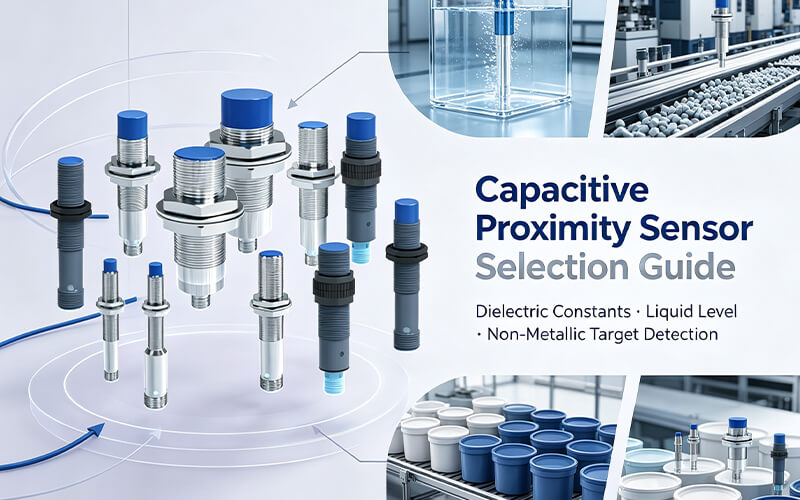
In automated process control, packaging, plastics compounding, and chemical processing, detecting non-metallic objects presents a distinct engineering challenge. While standard inductive proximity sensors are limited to ferrous and non-ferrous metals, capacitive proximity sensors can detect solids, bulk powders, granulates, and liquids. Whether tracking resin pellets in an injection molding hopper, detecting cardboard packaging flaps, or monitoring liquid levels [...]
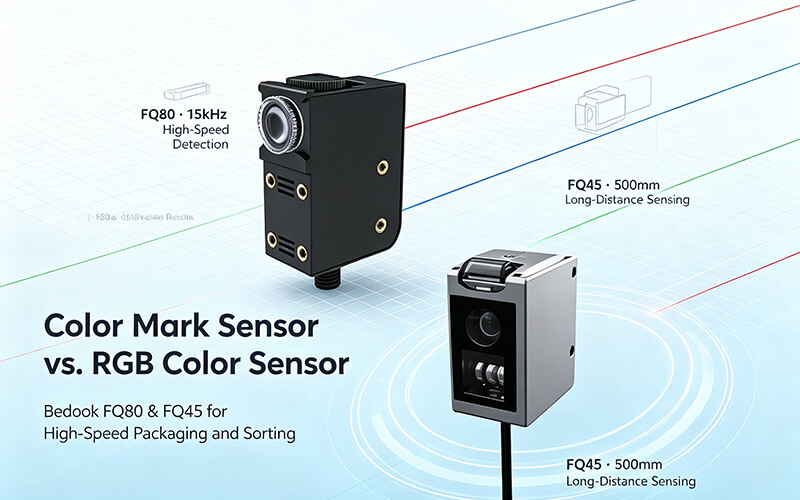
In automated packaging, converting, and logistics sorting, optical verification is essential for high-throughput productivity. A single misread registration mark on a vertical form-fill-seal (VFFS) machine can throw off a rotary knife, ruining thousands of branded pouches. Similarly, an automated distribution conveyor that fails to distinguish tote bins by color risks misrouting inventory across warehouse zones. [...]
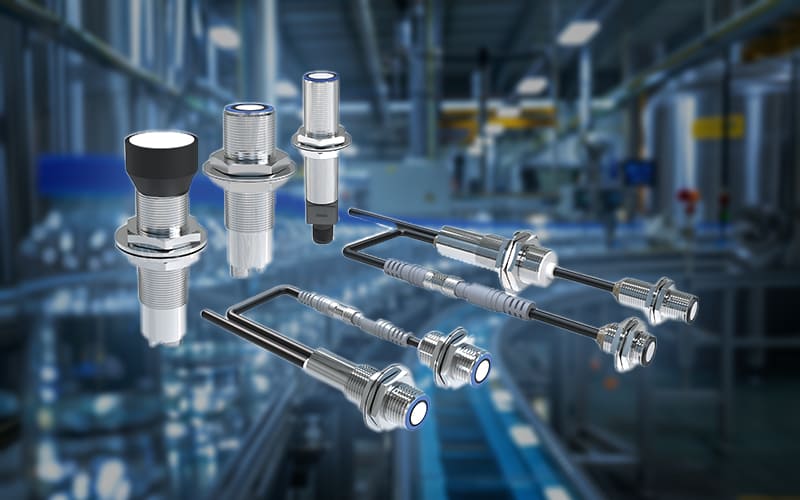
In high-speed automated feeding systems—such as offset printing presses, solar wafer sorters, packaging feeders, and PCB assembly machinery—double-sheet feeding is a high-cost failure mode. When static electricity, ambient humidity, or surface oil causes two sheets of paper, silicon wafers, or metal foils to adhere together and enter the line simultaneously, the results are catastrophic: crushed [...]
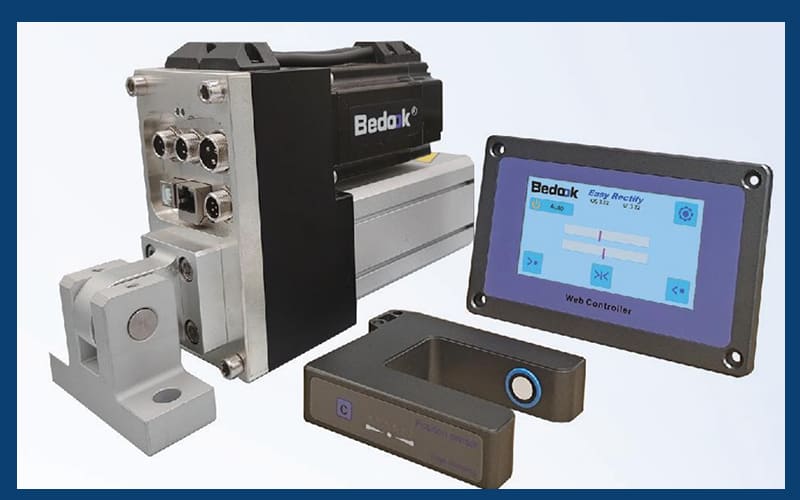
In high-speed converting, printing, and automated packaging lines, maintaining continuous control over webs and adhesive labels is a core requirement for equipment productivity. A single missed label gap on an automatic dispenser or a minor lateral tracking drift on a continuous paper or plastic roll can result in misplaced labels, machine jam-ups, and severe material [...]
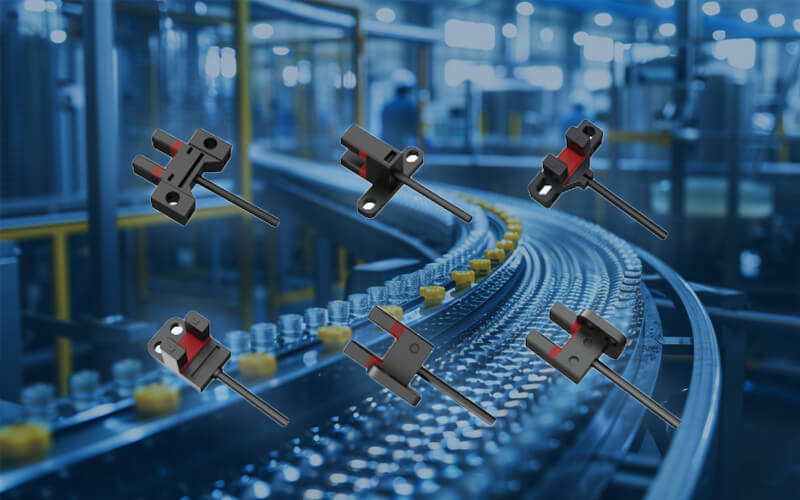
In modern industrial automation, precision at extreme velocities is the thin line between operational profitability and catastrophic downtime. Whether you are managing high-speed labeling systems in Europe, semiconductor sorting machinery in Asia, or high-density pharmaceutical packaging lines in the Americas, high-speed counting demands uncompromising sensor physics. Among the myriad of optical sensing technologies, the photoelectric [...]
Email: [email protected]

Baoding Bedook Electronic Co., Ltd, as a high-tech enterprise specializing in the production of industrial automatic control products,owns independent R&D institutions and high-precision manufacturing & testing equipment. Mainly produce ultrasonic sensors, photoelectric sensors, inductive sensors, capacitive sensors and etc.
Products
Menu
Contact
Please contact us if you have any questions regarding of our products. We welcome you to tell us what you think.
Add: NO.1808, Center West Road, Qingyuan District, Baoding City, Hebei Province, China.
Email: [email protected]
Copyright © Baoding Bedook Electronic Co., Ltd. | All Rights Reserved