In modern automated production lines, consistency is the ultimate metric of efficiency. However, industrial environments present a chaotic mix of variables: a single conveyor belt might transport glossy white packaging boxes, matte black rubber automotive components, and reflective metallic cans all within the same hour. For standard proximity sensors, this variation in color, texture, and [...]
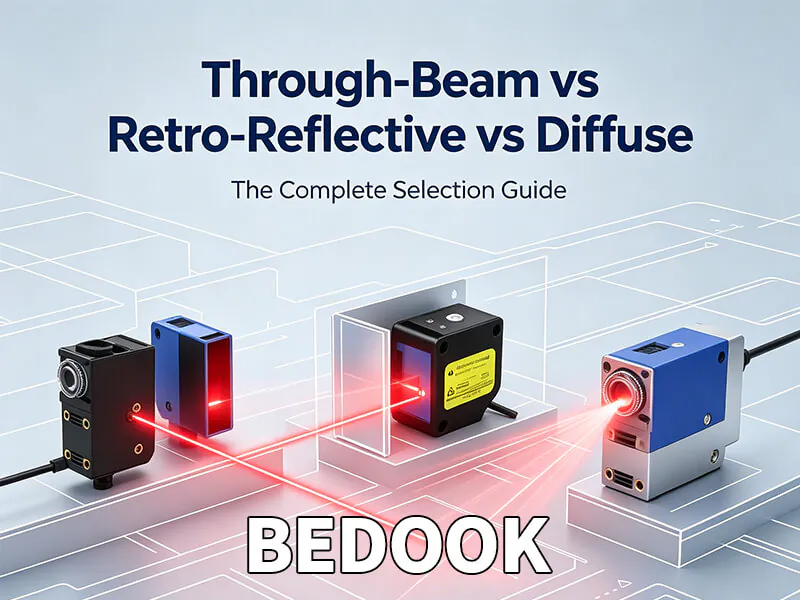
In the global industrial automation landscape, photoelectric sensors—often referred to by engineers as "photo eyes"—serve as the primary sensory organs for automated systems. Whether tracking high-speed sorting systems in a European logistics hub, monitoring beverage filling lines in North America, or managing heavy machinery in an Asian manufacturing facility, selecting the correct optical sensing modality [...]
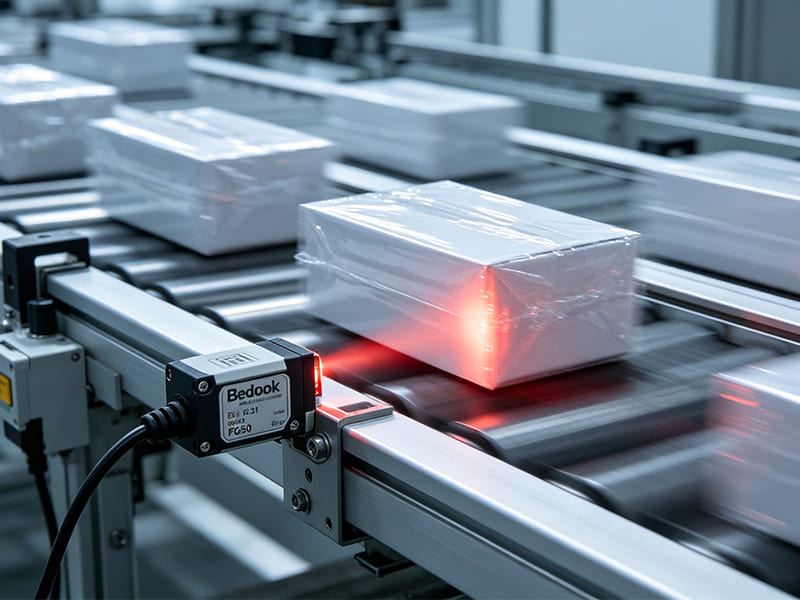
In the architecture of modern factory automation, non-contact positioning sensors act as the crucial "eyes" of the production line. Selecting the right sensor can mean the difference between a smoothly running, high-efficiency assembly line and a high-maintenance system plagued by frequent false triggers and costly downtime. When configuring automation loops, engineers and procurement managers often [...]
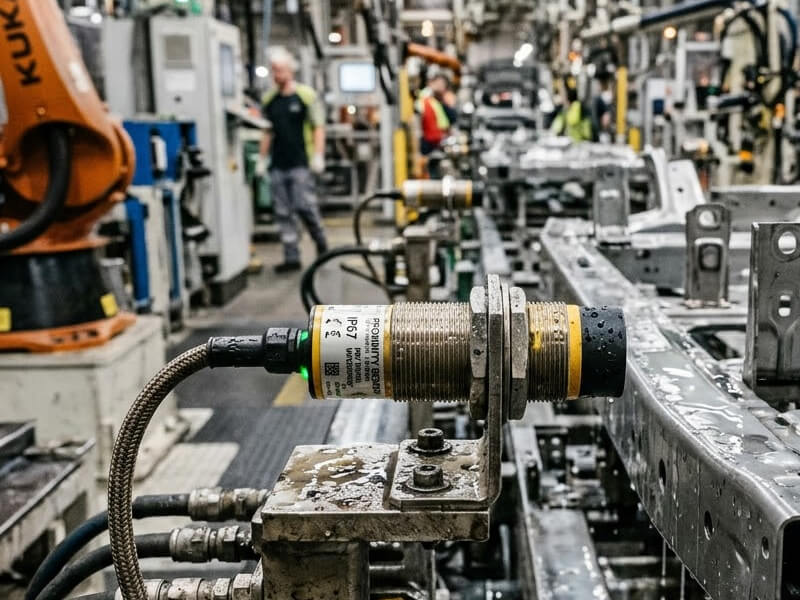
Why Proximity Sensors Are Critical in Automotive Manufacturing Automotive manufacturing is one of the most demanding industrial environments in the world. Modern assembly plants operate around the clock, relying on highly automated production systems that integrate robotic welding, automated material handling, precision assembly stations, and real-time process control. In such environments, even a brief interruption [...]
Introduction: Why Detection Accuracy Problems Are Difficult to Diagnose In industrial automation systems, detection accuracy problems are often difficult to diagnose. A sensor may appear to be operating normally, yet the system still experiences delayed triggering, unstable PLC readings, incorrect counting, or inconsistent machine response. In many cases, these issues are not caused by the [...]
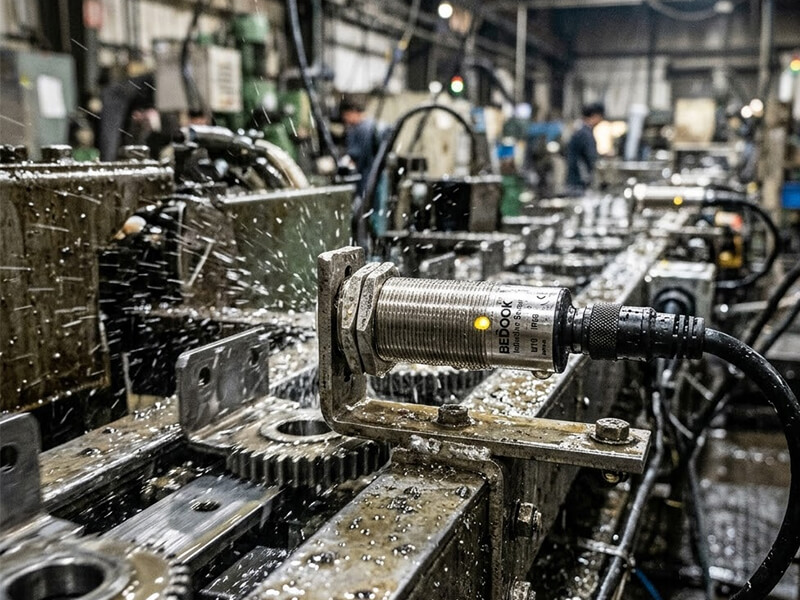
In industrial automation, the IP rating of a proximity sensor directly affects its service life and reliability in environments exposed to dust, moisture, and chemical liquids. IP67 is one of the most commonly used protection ratings in industrial applications and is often treated as a “default choice.” However, this assumption frequently leads to misunderstandings. Many [...]
Email: [email protected]

Baoding Bedook Electronic Co., Ltd, as a high-tech enterprise specializing in the production of industrial automatic control products,owns independent R&D institutions and high-precision manufacturing & testing equipment. Mainly produce ultrasonic sensors, photoelectric sensors, inductive sensors, capacitive sensors and etc.
Products
Menu
Contact
Please contact us if you have any questions regarding of our products. We welcome you to tell us what you think.
Add: NO.1808, Center West Road, Qingyuan District, Baoding City, Hebei Province, China.
Email: [email protected]
Copyright © Baoding Bedook Electronic Co., Ltd. | All Rights Reserved