Proximity Sensors in Automotive Assembly Lines: Key Considerations
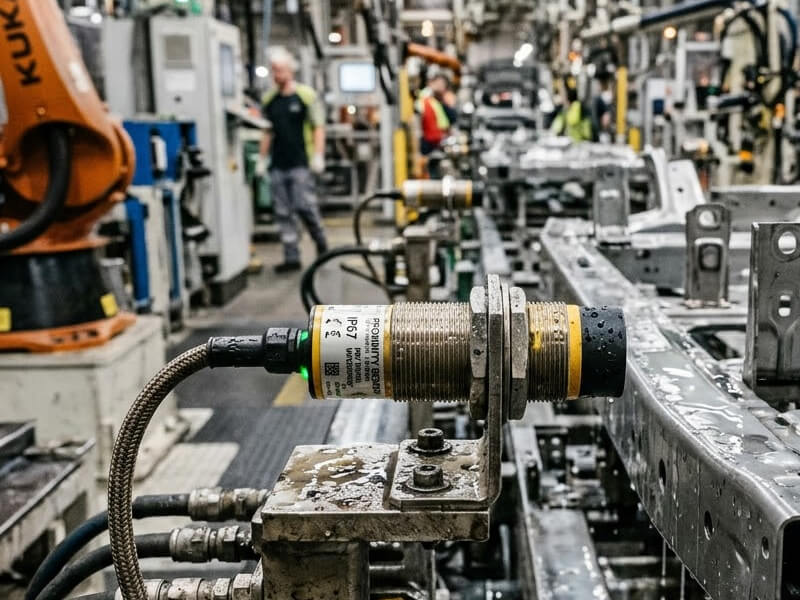
Why Proximity Sensors Are Critical in Automotive Manufacturing
Automotive manufacturing is one of the most demanding industrial environments in the world. Modern assembly plants operate around the clock, relying on highly automated production systems that integrate robotic welding, automated material handling, precision assembly stations, and real-time process control.
In such environments, even a brief interruption can have significant consequences. A single sensor failure may stop an entire production cell, disrupt just-in-time manufacturing schedules, increase scrap rates, and trigger costly downtime across multiple processes.
As a fundamental component of industrial automation, proximity sensors provide the real-time detection signals required to coordinate machine movements, verify workpiece positions, monitor equipment status, and synchronize production operations. Their reliability directly affects production efficiency, product quality, and overall equipment effectiveness (OEE).
Unlike general industrial applications, automotive assembly lines offer little tolerance for intermittent faults, false triggering, or missed detections. Sensors must operate consistently under harsh conditions while maintaining high accuracy over millions of switching cycles.
For this reason, selecting the right proximity sensor is not simply a matter of choosing a detection technology. Engineers must carefully evaluate environmental conditions, installation requirements, electrical compatibility, and long-term reliability to ensure stable operation throughout the production lifecycle.
Common Applications in Automotive Assembly Lines
Automotive production consists of several interconnected manufacturing stages, each presenting unique sensing challenges. Proximity sensors are used throughout the process to provide reliable position feedback, presence detection, and equipment monitoring.
Body Shop Automation
The body shop is typically the most demanding area for proximity sensors. Robotic welding systems, fixture stations, and automated positioning equipment generate intense vibration, welding spatter, and electromagnetic interference.
Typical applications include:
- Body panel positioning verification
- Welding fixture lock confirmation
- Robot arm stroke detection
- Tooling and clamp status monitoring
- Workpiece presence detection
Reliable sensing is critical for maintaining welding accuracy and preventing collisions between robotic equipment and vehicle components.
A missed detection at this stage can result in poor weld quality, production delays, or equipment damage.
Paint Shop Operations
Paint shops present a different set of challenges. High humidity, airborne paint particles, cleaning chemicals, and periodic washdown procedures create an environment where sensor protection and sealing become critical.
Common applications include:
- Conveyor carrier positioning
- Workpiece presence verification
- Spray booth transfer monitoring
- Suspension system position detection
- Pre-paint process synchronization
Accurate sensor feedback ensures that vehicle bodies remain properly positioned throughout the coating process, helping maintain paint consistency and reducing rework.
Final Assembly Lines
Final assembly involves the integration of hundreds of components, including chassis assemblies, electrical systems, interior parts, and mechanical modules.
Sensors are commonly used for:
- Component presence verification
- Assembly sequence confirmation
- Equipment position monitoring
- End-of-stroke detection
- Automated workstation synchronization
Because many assembly operations occur within compact workspaces, sensors must provide stable performance while operating in close proximity to moving equipment and operators.
Reliable detection helps eliminate assembly errors, missing components, and incorrect installation positions.
Material Handling Systems
Automotive production relies heavily on automated logistics systems to move vehicle bodies, components, and finished products between workstations.
Proximity sensors play an important role in:
- Pallet detection
- Conveyor synchronization
- AGV positioning
- Lift station monitoring
- Material transfer confirmation
These systems often operate continuously at high speed, requiring sensors with excellent switching performance and long-term reliability.
Failure within a material handling system can create bottlenecks that affect multiple production areas simultaneously.
Typical Sensor Deployment Points in Automotive Plants
The table below summarizes some of the most common proximity sensor applications found in automotive manufacturing facilities.
| Detection Task | Typical Location | Recommended Sensor Technology |
|---|---|---|
| Fixture Position Verification | Body Shop | Inductive |
| Welding Fixture Lock Detection | Welding Cells | Inductive |
| Robot Stroke Monitoring | Robotic Welding Stations | Inductive |
| Plastic Component Presence Detection | Final Assembly | Capacitive |
| Conveyor Pallet Detection | Material Handling Systems | Photoelectric |
| AGV Position Feedback | Logistics Areas | Inductive / Photoelectric |
| Carrier Position Monitoring | Paint Shop Conveyors | Inductive |
| Workpiece Presence Detection | Assembly Stations | Inductive / Capacitive |
Selecting the appropriate sensing technology for each task is essential for maintaining production stability and minimizing maintenance requirements.
Challenges Faced by Sensors in Automotive Plants
Automotive manufacturing environments expose sensors to a combination of mechanical, electrical, and environmental stresses rarely encountered in other industries.
Understanding these challenges is essential when selecting sensors for long-term reliability.
Welding Spatter and High Temperatures
Robotic welding operations generate large amounts of molten metal particles and localized heat.
Over time, welding spatter can accumulate on sensor faces, reducing sensing performance and causing detection instability. Severe spatter exposure may damage sensor housings or protective coatings.
In addition, elevated temperatures near welding stations can accelerate component aging and cause thermal drift, reducing long-term accuracy.
For welding applications, engineers should prioritize sensors designed specifically for welding environments, with enhanced resistance to heat, spatter, and electromagnetic interference.
Coolant, Oil Mist, and Chemical Exposure
Various manufacturing processes involve coolants, lubricants, cleaning agents, and industrial chemicals.
Continuous exposure can degrade seals, damage housings, and eventually allow contaminants to penetrate the sensor interior.
Common risks include:
- Seal deterioration
- Corrosion of electronic components
- Signal instability
- Premature sensor failure
Sensors used in these environments should provide appropriate ingress protection and utilize materials compatible with the chemicals present on the production line.
Mechanical Shock and Continuous Vibration
Automotive production equipment operates at high speed and frequently generates vibration.
Sources include:
- Robotic movement
- Fixture clamping systems
- Conveyors
- Presses
- Automated transfer units
Long-term vibration can loosen mounting hardware, alter sensor positioning, and increase the likelihood of intermittent detection problems.
Mechanical impacts may also damage sensor housings or internal electronics if adequate protection is not provided.
High-Speed 24/7 Production Cycles
Unlike many industrial applications that operate intermittently, automotive assembly lines typically run continuously across multiple shifts.
Sensors installed in these environments may perform millions of switching cycles each year. This places significant demands on:
- Switching stability
- Response consistency
- Fatigue resistance
- Long-term reliability
Sensors that operate near their performance limits are more likely to experience signal degradation, increased failure rates, and reduced service life.
Selecting sensors with adequate performance margins is essential for maintaining stable operation throughout the production cycle.
Severe Electromagnetic Interference (EMI)
Electromagnetic interference is one of the most overlooked causes of sensor instability in automotive manufacturing.
Common EMI sources include:
- Robotic welding systems
- Servo motors
- Variable frequency drives (VFDs)
- Power distribution equipment
- High-current welding circuits
Excessive electromagnetic noise may cause:
- False triggering
- Missed detections
- Unstable outputs
- Communication errors with PLCs
In many cases, EMI-related failures are intermittent and difficult to diagnose.
Using shielded sensors, proper cable routing, and effective grounding practices can significantly improve signal integrity.
Choosing the Right Sensor Technology
Different sensing technologies offer different advantages depending on the application.
Selecting the most appropriate technology improves reliability while minimizing maintenance requirements.
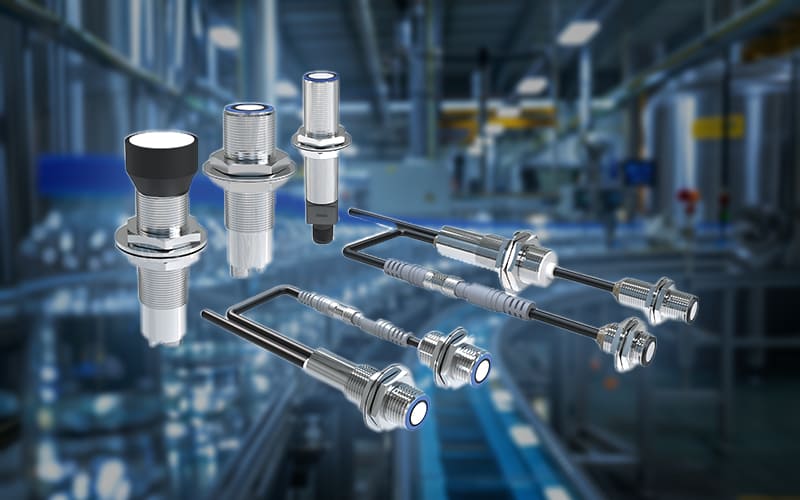
Inductive Proximity Sensors
Inductive sensors are the most widely used proximity sensors in automotive manufacturing.
Because most automotive fixtures, tools, pallets, and vehicle structures contain metal components, inductive sensing is often the preferred solution.
Typical applications include:
- Fixture detection
- Robot position verification
- Welding station monitoring
- Metal component positioning
- Conveyor system feedback
Key advantages include:
- High reliability
- Excellent resistance to vibration
- Strong immunity to dust and oil contamination
- Good resistance to electromagnetic interference
- Long service life
For welding applications, shielded inductive sensors are generally recommended.
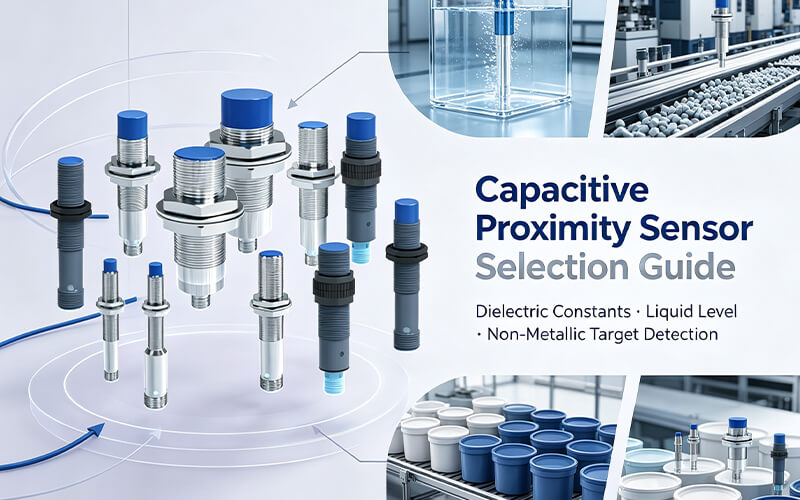
Capacitive Proximity Sensors
Capacitive sensors can detect both metallic and non-metallic targets.
This makes them particularly useful in final assembly operations involving:
- Plastic trim parts
- Rubber components
- Composite materials
- Packaging materials
Applications include:
- Plastic part presence verification
- Assembly completion detection
- Material level monitoring
Because capacitive sensors are more sensitive to environmental influences, proper installation and calibration are important.
Photoelectric Sensors
Photoelectric sensors provide longer sensing distances than traditional proximity sensors.
They are commonly used for:
- Pallet detection
- Conveyor monitoring
- Vehicle body tracking
- AGV navigation support
- Long-range presence detection
Advantages include:
- Long detection range
- Fast response
- Non-contact operation
However, photoelectric sensors may be affected by:
- Welding smoke
- Dust accumulation
- Strong ambient light
- Paint overspray
For this reason, they are generally better suited to logistics and material handling applications than welding environments.
Key Selection Factors for Automotive Assembly Applications
Selecting a sensor solely based on sensing distance is rarely sufficient.
Engineers should evaluate the complete operating environment before making a final decision.
Sensing Distance Margin
Maintaining an adequate sensing distance margin improves long-term stability.
In automotive applications, environmental factors such as vibration, contamination, and component movement can affect detection performance.
A common engineering guideline is:
Operate at approximately 60–70% of the sensor’s rated sensing distance.
This provides a safety margin that helps compensate for changing conditions over time.
Response Time and Switching Frequency
High-speed production lines require sensors capable of responding quickly and consistently.
If response speed is insufficient:
- Workpieces may be missed
- Equipment synchronization may fail
- Production quality may decline
Engineers should verify that the sensor switching frequency matches or exceeds the production cycle requirements.
IP Protection Rating
Environmental protection is a critical consideration in automotive manufacturing.
Recommended protection levels include:
| Environment | Recommended Protection |
|---|---|
| General Assembly | IP67 |
| Welding Areas | IP67 or higher |
| Paint Shops | IP67 / IP69K |
| Washdown Areas | IP69K |
| Heavy Oil Mist Exposure | IP67 or higher |
For high-pressure cleaning operations, IP69K protection is strongly recommended.
Housing Material and Durability
Sensor housings must withstand mechanical stress, abrasion, and environmental exposure.
Stainless steel housings are often preferred because they provide:
- Better impact resistance
- Improved chemical resistance
- Greater durability in welding environments
- Longer service life
Special anti-spatter coatings may further improve performance in welding applications.
Temperature Resistance
Automotive production environments frequently experience temperature fluctuations.
Localized heating near welding stations can significantly exceed ambient temperatures.
Sensors should be selected with temperature ratings appropriate for the actual operating environment to prevent:
- Thermal drift
- Seal degradation
- Reduced service life
Recommended Sensor Solutions for Different Automotive Production Areas
The table below summarizes recommended sensor solutions for common automotive manufacturing environments.
| Production Area | Primary Challenges | Recommended Sensor Solution |
|---|---|---|
| Body Shop | Welding spatter, heat, vibration, EMI | Shielded inductive sensors with anti-spatter protection |
| Welding Cells | High temperature and electromagnetic interference | High-temperature inductive sensors |
| Paint Shop | Humidity, chemicals, washdown | IP69K inductive or photoelectric sensors |
| Final Assembly | Mixed material detection, limited space | Inductive and capacitive sensors |
| Conveyor Systems | Continuous operation, vibration | Industrial inductive sensors |
| AGV Systems | Positioning and navigation | Inductive and photoelectric sensors |
| Logistics Areas | Long-range detection | Photoelectric sensors |
Best Practices for Reliable Sensor Operation
Even the best sensor cannot perform reliably if installation and maintenance practices are neglected.
The following recommendations can significantly improve system reliability.
Install Sensors Correctly
Proper mounting is critical.
Engineers should:
- Follow flush or non-flush installation requirements
- Maintain correct alignment with targets
- Avoid unnecessary mechanical stress
- Use vibration-resistant mounting brackets where necessary
Correct installation reduces false triggering and improves long-term stability.
Protect Sensor Cables
Cable failures are a common cause of sensor problems.
Best practices include:
- Using drag chains where movement occurs
- Protecting cables from abrasion
- Separating signal cables from power cables
- Avoiding exposure to excessive heat
Proper cable management improves signal integrity and extends service life.
Perform Preventive Maintenance
Routine inspections help identify problems before they cause downtime.
Recommended checks include:
- Cleaning sensing surfaces
- Inspecting housings for damage
- Checking mounting stability
- Verifying cable condition
- Monitoring signal consistency
Preventive maintenance reduces unexpected failures and improves equipment availability.
Maintain Adequate Performance Margins
Avoid operating sensors at the limits of:
- Detection distance
- Switching frequency
- Temperature rating
- Environmental protection capability
Providing reasonable performance margins improves reliability and extends sensor lifespan.
Conclusion
Automotive assembly lines represent one of the most demanding industrial environments for proximity sensors. Continuous operation, welding processes, vibration, contamination, and electromagnetic interference create challenges that exceed those found in many general automation applications.
Successful sensor selection requires more than matching a sensing technology to a target material. Engineers must evaluate environmental conditions, production requirements, installation constraints, and long-term maintenance considerations to ensure reliable operation.
By selecting sensors specifically designed for automotive manufacturing environments and applying proper installation and maintenance practices, manufacturers can significantly reduce downtime, improve product quality, and maximize overall equipment effectiveness.
About Bedook
Bedook provides a comprehensive range of inductive, capacitive, and photoelectric sensors designed for demanding industrial automation environments. Our solutions support applications across body welding, paint shops, final assembly lines, and material handling systems.
If you are evaluating sensor solutions for an automotive production line, our engineering team can help identify the most suitable technology based on your operating conditions, performance requirements, and installation constraints.
Explore Bedook: Your Trusted Sensor Manufacturer
At Bedook, we specialize in designing, developing, and manufacturing a comprehensive range of proximity sensors and switches. Our extensive product lineup includes:
- Inductive Proximity Sensors
- Capacitive Proximity Sensors
- Photoelectric Sensors
- Ultrasonic Sensors
- Solid State Relays
- Various Accessories
With over 10,000 detailed product variations and a robust R&D team, we take pride in our ability to meet your unique requirements with tailored solutions and reliable performance.
Whether you’re seeking off-the-shelf products or customized designs, Bedook offers the expertise and production capacity to ensure your satisfaction.
Get in Touch Today!
We value your interest in our products and warmly encourage you to send us an inquiry. Let us help you find the perfect sensor solution for your application.
Thank you for considering Bedook—your trusted partner in innovation and quality manufacturing. We look forward to collaborating with you!
 Response Time vs Output Type: What Impacts Detection Accuracy
 Photoelectric Switch vs. Proximity Switch: How to Choose for Your Automation Line?