Inductive sensors are crucial components in the elevator industry, playing a key role in ensuring the smooth and safe operation of elevators. Their unique working principles and capabilities make them indispensable in various elevator systems.
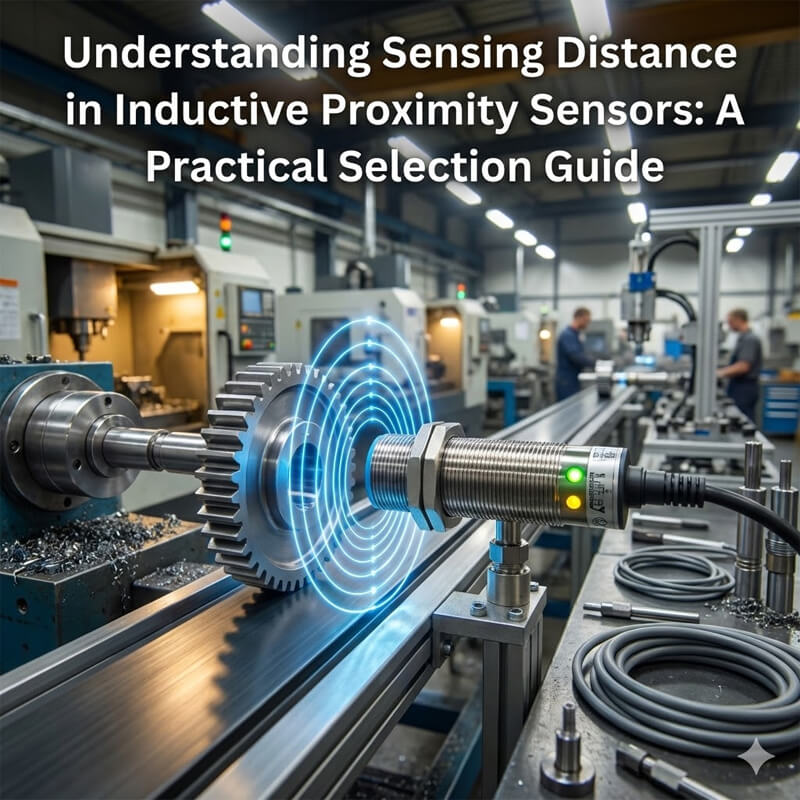
Inductive proximity sensors operate based on Faraday’s law of electromagnetic induction. When an alternating current flows through the coil inside the sensor, it creates an alternating magnetic field around it. When a metallic object enters this magnetic field, eddy currents are induced within the object.
These eddy currents generate their own magnetic fields that oppose the sensor’s original magnetic field. This change in the magnetic field is detected by the sensor’s circuitry. Through proper calibration and signal processing, the sensor can determine the presence, distance, and sometimes other characteristics of the metallic object.
This simple yet effective principle enables inductive sensors to play a vital role in elevator applications, such as detecting the position of elevator doors, monitoring the operation of the traction machine, and more.
In elevator control systems, inductive sensors play a crucial role. For example, when passengers approach the elevator entrance, inductive sensors installed near the hall door accurately detect the presence of a person. Although the human body is not metal, it contains conductive media such as water, which can slightly alter the sensor’s electromagnetic field.
Upon detecting this change, the sensor sends a signal to the elevator controller. The controller then decides whether to respond based on preset programs and algorithms. If the elevator is idle or approaching the floor, the controller will instruct the elevator to stop at the desired floor and open the door for passengers to enter. This automated control system greatly enhances elevator efficiency and passenger convenience.
Inside the elevator car, inductive proximity sensor can also detect the distribution of passengers. By installing sensors in different positions, the system can monitor the density of people in various parts of the car. This is important for load balancing and optimizing operational efficiency. If the sensor detects a concentration of passengers on one side of the car, the controller adjusts the elevator’s speed and stopping strategy to maintain smooth and safe operation.
The accurate control of the car door’s opening and closing is critical for elevator safety. Inductive sensors, in coordination with angle encoders, play an essential role in this process. The angle encoder, installed on the motor shaft that drives the door, calculates the door’s position by detecting the motor’s rotational angle.
Square-shaped inductive sensors are particularly effective for detecting the opening and closing positions of elevator doors. When the car door opens or closes, the inductive sensors installed on the door frame and door body can detect the door’s position precisely. When the door is fully closed, the sensor sends a signal to the control system, ensuring that the door lock engages to prevent accidental opening during operation. When the door is fully open, the sensor confirms that the door has reached its maximum opening, preventing the drive mechanism from overstretching.
If an obstacle is encountered during the door’s movement, the Inductive proximity sensor detects the anomaly in real-time. For instance, if an object is caught in the door’s gap, the door’s movement will change slightly, altering the electromagnetic field around the sensor. The sensor transmits this change to the control system, which immediately halts the door’s closing and reopens it to prevent accidents, such as injury or damage.
The traction machine is the elevator’s core power unit, responsible for driving the car and counterweight. Inductive sensors are used in several key applications within the traction machine.
Speed Detection
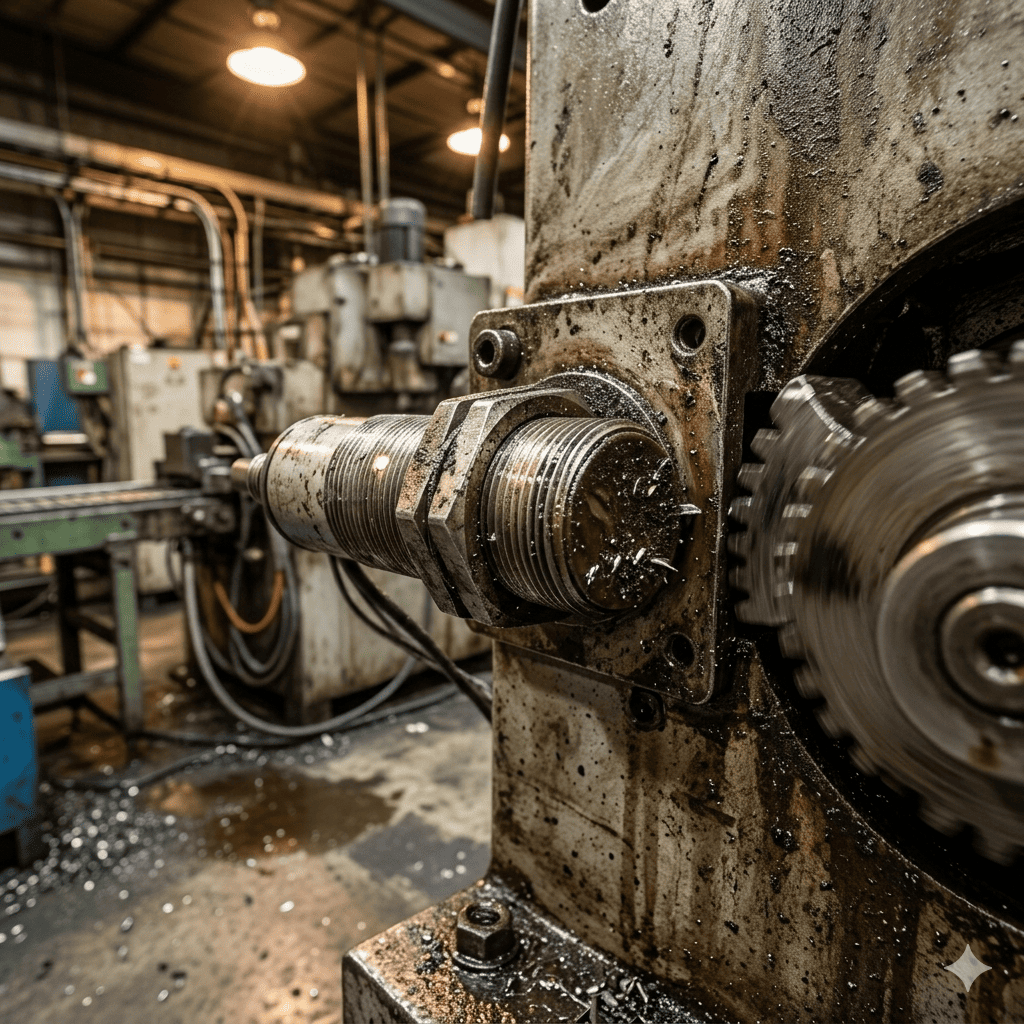
For speed detection, a speed-measuring encoder—essentially a specialized inductive sensor—is used. It works with gears or code discs on the motor shaft. As the motor rotates, the inductive coil in the encoder detects magnetic field changes caused by the passing teeth and grooves of the gears or discs. By counting and processing these signals, the speed of the traction machine can be accurately determined. This speed data is crucial for controlling the elevator’s operation and ensuring its stability. If the speed fluctuates unexpectedly, it may signal a problem with the motor or transmission system, prompting the control system to take action, such as activating the safety brakes.
Speed Detection
For speed detection, a speed-measuring encoder—essentially a specialized inductive sensor—is used. It works with gears or code discs on the motor shaft. As the motor rotates, the inductive coil in the encoder detects magnetic field changes caused by the passing teeth and grooves of the gears or discs. By counting and processing these signals, the speed of the traction machine can be accurately determined. This speed data is crucial for controlling the elevator’s operation and ensuring its stability. If the speed fluctuates unexpectedly, it may signal a problem with the motor or transmission system, prompting the control system to take action, such as activating the safety brakes.
Speed Control
Using speed data from inductive sensors, the elevator control system can achieve precise speed control of the traction machine. Advanced algorithms, such as vector control and direct torque control, adjust the speed dynamically according to different operation stages and load conditions. During startup, the control system gradually increases the motor’s speed based on the sensor’s initial data, ensuring smooth acceleration and avoiding discomfort for passengers. During operation, the system maintains a stable speed, and as the elevator approaches the target floor, it decelerates smoothly to stop.
Current Monitoring
Inductive current sensors are also installed in the power supply line of the traction machine to monitor the motor’s current. The magnitude of the current reflects the load condition. When the elevator is fully loaded or overloaded, the motor requires more torque, increasing the current. The sensor sends the current signal to the control system, which assesses the load. If the current exceeds a safety threshold, it could indicate an overload or mechanical issue, prompting the system to take measures such as restricting elevator speed, issuing an overload alarm, or activating emergency brakes to prevent damage to the motor.
Door Protection and Anti-Pinch
The elevator light curtain, a photoelectric safety device, is commonly used for door protection. It works by detecting interruptions in light beams between the car and hall doors. However, inductive sensors can also complement door protection, especially in situations where the light curtain may be obstructed by dust or contaminants.
When an object approaches the door, even if it doesn’t block the light curtain, an inductive proximity sensor can detect it by monitoring changes in the electromagnetic field. If the sensor detects an object near the door, it sends a signal to the control system, halting the door’s movement and reopening it to prevent injury or damage. This dual protection system significantly enhances safety, reducing the risk of accidents caused by pinching.
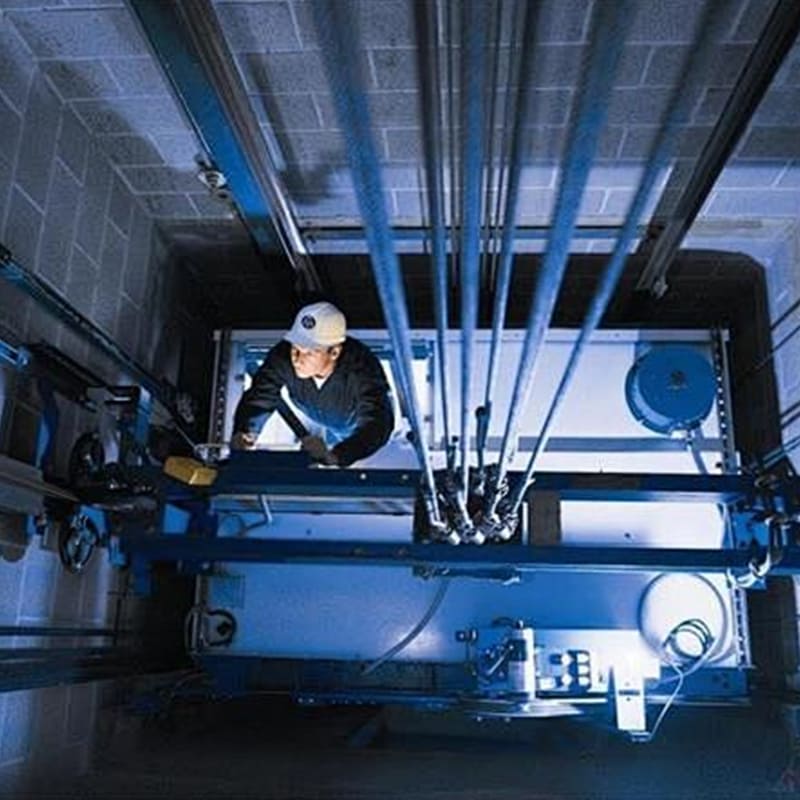
In the elevator operating environment, there are often adverse factors such as dust, oil, and humidity changes.
Inductive sensors have significant advantages in coping with these harsh environmental conditions. Their sealed housing structure can effectively prevent dust and oil from entering the inside of the sensor, avoiding contamination and damage to the sensing elements and the circuit board.
For example, in the elevators of some commercial buildings, due to the large flow of people, the environment around the elevator is easily polluted. However, inductive sensors can work stably and continuously in such an environment, providing accurate signals for the elevator control system. Even in an environment with high humidity, as long as the protection level of the sensor meets the requirements, the internal electronic components can work normally without short – circuit or signal – distortion problems caused by moisture.
Inductive sensors have high detection precision and can accurately measure the change in the distance between an object and the sensor. In the detection of the opening degree of the elevator car door, this high-precision characteristic is particularly important. The sensor can detect position changes of a few millimeters or even smaller during the opening and closing process of the door, ensuring that the car door can accurately stop at the fully open or fully closed position.
In elevator control, the detection of passengers’ approach also requires high precision. The sensor can distinguish objects within different distance ranges and accurately determine whether passengers are waiting for the elevator or just passing by, avoiding unnecessary elevator stops due to misjudgment. This high – precision detection ability contributes to improving the operation efficiency and service quality of the elevator.
Inductive sensors adopt a non-contact detection method, which has many advantages in elevator industry applications. First, non – contact detection avoids mechanical wear and extends the service life of the sensor. Compared with traditional mechanical limit switches, inductive proximity sensors do not need to be in direct contact with the detected object, eliminating the problem of component damage caused by frequent friction.
Secondly, the non – contact detection method allows measurement without affecting the motion of the object. During the movement of the elevator car door, the sensor can detect the position and state of the door in real – time without any hindrance to the normal opening and closing action of the door. This is of great significance for ensuring the smooth operation and rapid response of the elevator door.
In the complex electromagnetic environment of elevator operation, there are various electromagnetic – field interferences generated by electrical equipment such as elevator control systems, inverters, and motors. Due to its own working principle and design characteristics, the inductive sensor has strong anti – interference ability.
The circuit design inside the sensor usually adopts filtering, shielding and other techniques, which can effectively filter out external electromagnetic noise. At the same time, its working frequency and signal – processing method are optimized, enabling the sensor to accurately detect the target signal in a complex electromagnetic environment. For example, the inductive sensors installed near the traction machine can still work stably despite the strong electromagnetic field of the surrounding motor, providing reliable signals for the speed detection and control of the traction machine.
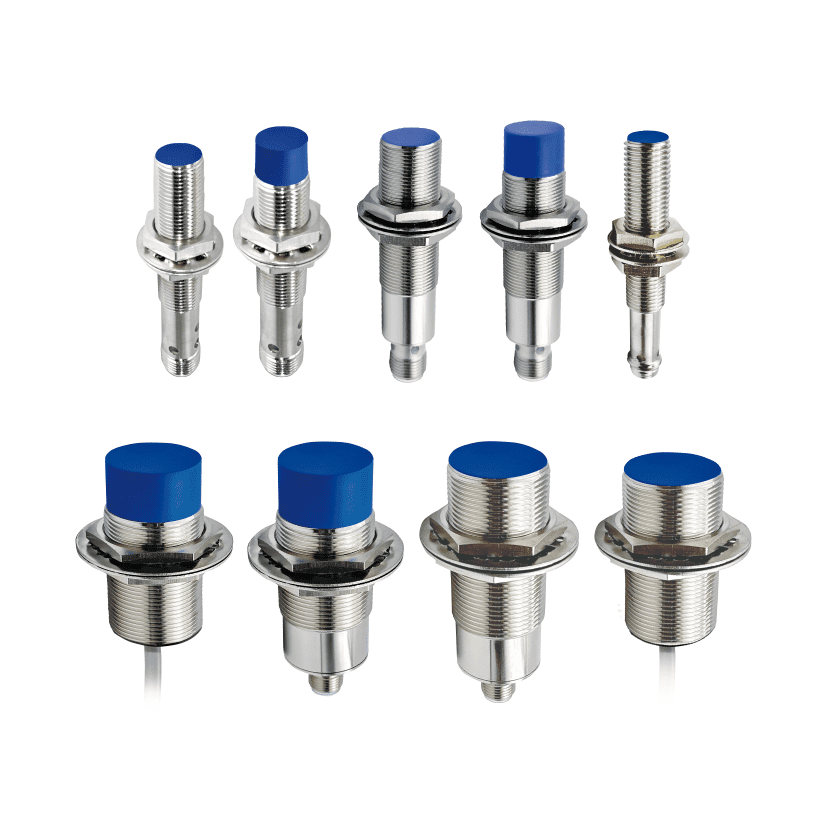
During the operation of the elevator, especially in parts such as the track of the car door, metal debris and other contaminants may be generated. If these metal contaminants are close to the
inductive sensor, they may interfere with the normal operation of the sensor. Because metal contaminants will change the distribution of the electromagnetic field around the sensor, causing the sensor to misjudge the distance of the object or generate false signals.
To solve this problem, on the one hand, protective devices such as protective nets or shielding covers can be set around the sensor to prevent metal debris from directly contacting the sensor. On the other hand, regular cleaning and maintenance of the elevator should be carried out to timely remove possible metal contaminants. In addition, in the selection of sensors, Inductive proximity sensor with stronger anti – metal – interference ability can be chosen, or multiple sensors can be used for redundant detection. By comparing and analyzing the signals, the interference caused by metal contaminants can be eliminated.
Although inductive sensors themselves have a certain anti-interference ability, in some extremely complex environments, such as when strong electromagnetic interference, high temperature, high humidity and other adverse factors are superimposed in the elevator shaft, the sensor’s signal may fluctuate or be distorted.
In response to this situation, more advanced algorithms and techniques need to be adopted in the signal processing circuit of the sensor. For example, an adaptive filtering algorithm can be used, which can automatically adjust the parameters of the filter according to environmental changes to better filter out interference signals. At the same time, the output signal of the sensor can be sampled and averaged multiple times to improve the stability and accuracy of the signal. In the selection of the installation position of the sensor, efforts should also be made to avoid installing it near the electromagnetic interference source or in areas with harsh environmental conditions. If it cannot be avoided, additional shielding and protection measures should be taken.
At the same time, with the application of emerging technologies such as the Internet of Things and big data in the elevator industry, inductive proximity sensors are expected to better integrate with these technologies. For example, sensors can transmit the detected data to the cloud in real time, and through big-data analysis, more comprehensive monitoring and predictive maintenance of the elevator’s operation state can be achieved. This will help improve the overall performance and reliability of the elevator and further ensure the safety and comfort of passengers’ travel.
Ready to Upgrade Your Systems?
Contact us today for expert advice and tailored solutions! Let
Bedook sensors power your success with innovative, reliable technology that enhances both performance and safety.

 Inductive Proximity Sensors in the Packaging Industry: Applications and Benefits
 BEDOOK invited to attend CeMAT Asia Logistics Exhibition