How to choose an inductive proximity sensor
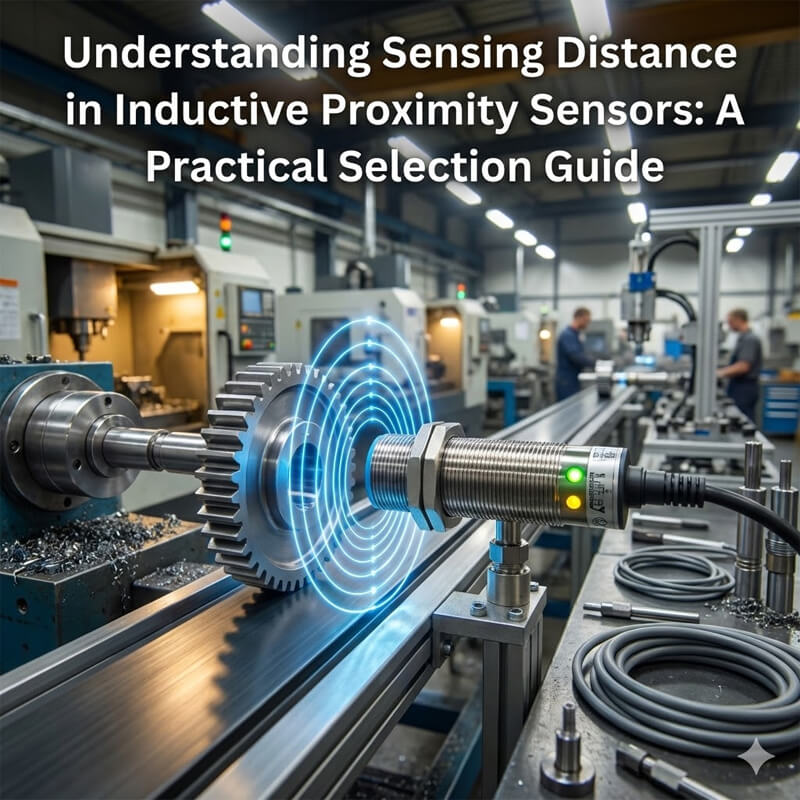
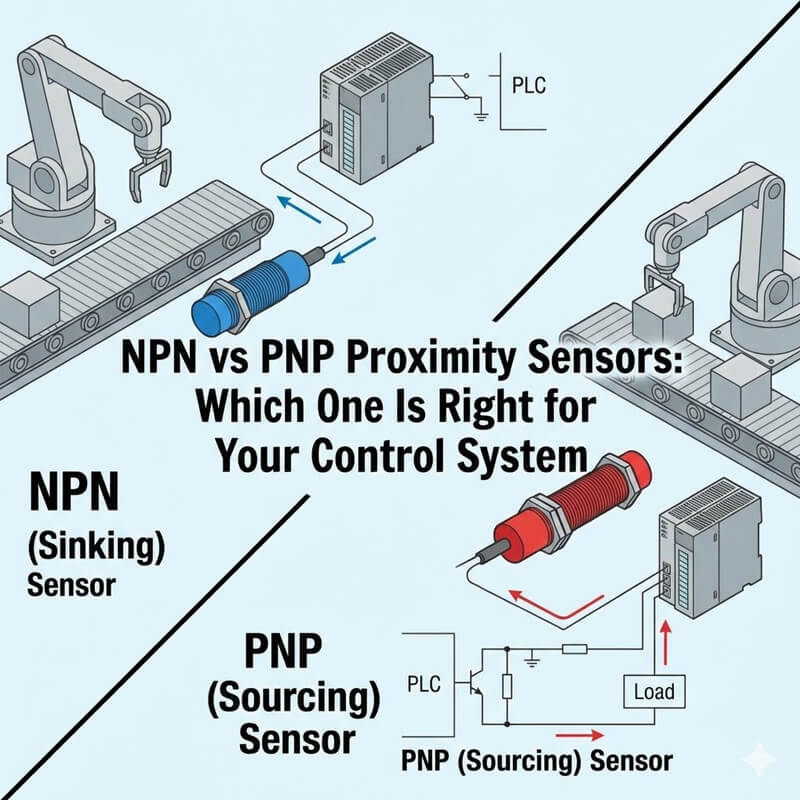
When it comes to industrial automation, choosing the right inductive proximity sensor is crucial for ensuring smooth and reliable operations. How to choose an inductive proximity sensor that perfectly fits your application? Begin by assessing the specific requirements of your environment, such as the type of metal objects you need to detect, the distance at which detection should occur, and the conditions in which the sensor will operate. Consider factors like the sensor’s operating voltage, output type (PNP or NPN), and connection method (cable or connector). Additionally, evaluate the sensor’s size and mounting options to ensure it can be easily integrated into your existing setup. By carefully considering these aspects, you can select an inductive proximity sensor that enhances the efficiency and performance of your industrial processes.
Bedook inductive proximity sensors are non-contact sensors widely used to detect the presence or approach of metal objects. Renowned for their precise design, high sensitivity, diverse models, and high customization capabilities, these sensors have garnered significant attention and praise from industry clients. This document provides a detailed overview of the working principle, product features, classifications, and application scenarios of Bedook inductive proximity sensors, offering insights to help you make an informed choice.
Working Principle
Inductive proximity sensors operate by detecting changes in the electromagnetic field when a metal object enters their sensing range. When a metal object approaches the sensor head, the oscillating circuit inside the sensor undergoes changes, resulting in variations in oscillation frequency and amplitude. These changes are detected and amplified by the sensor’s electronic circuitry, converting them into switch signals or analog signals to indicate the presence or distance of the metal object.
Product Features
1. Metal Object Detection: Specifically designed for detecting metal materials.
2. Non-contact Detection: Enables detection without contact, extending the equipment’s lifespan.
3. High Sensitivity and Stability: Offers high sensitivity and reliability, ensuring stable performance in various environments.
4. Strong Protection Rating: Complies with IP66 and IP67 protection ratings, providing excellent dust and water resistance, thus enhancing reliability and lifespan.
5. Strong Anti-interference Capability: Incorporates patented technologies for shielding, signal processing, design optimization, and algorithm optimization, ensuring resistance to electromagnetic, radio frequency, and power fluctuations.
6. Fast Response Time: Suitable for high-speed detection requirements.
7. Variety of Shapes and Mounting Options: Available in cylindrical, rectangular, and ring shapes, and can be fixed with threads or brackets to meet different installation needs.
Product Classification
Bedook offers nine types of inductive proximity sensors:

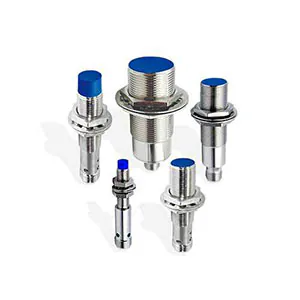
Features: Standardized design, common in automation equipment. Available with threaded (M4-M30) and non-threaded housings (φ3-φ6.5mm), easy to install.
Applications: Widely used in industrial automation for workpiece detection and position control.
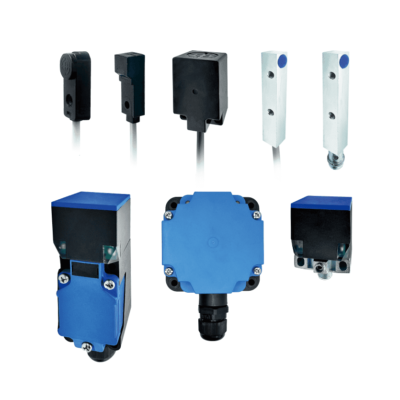
Features: Flat shape, ideal for limited installation spaces. Provides a larger detection surface.
Applications: Suitable for conveyor systems and robotic arm positioning and detection.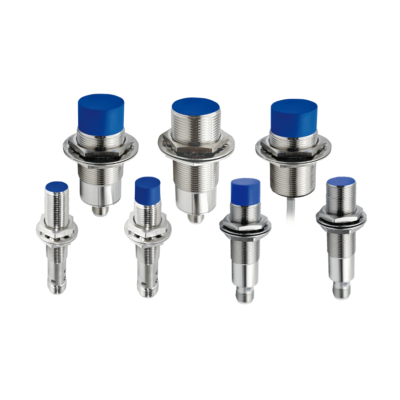
Features: Outputs continuous analog signals (0-20mA or 0-10V) for precise distance measurement.
Applications: Used for accurate position measurement, thickness detection, and distance monitoring.
Features: Ring design with detection diameters ranging from 6mm to 30mm, capable of detecting metal objects passing through its center.
Applications: Ideal for detecting metal objects inside pipelines and wire breakage detection.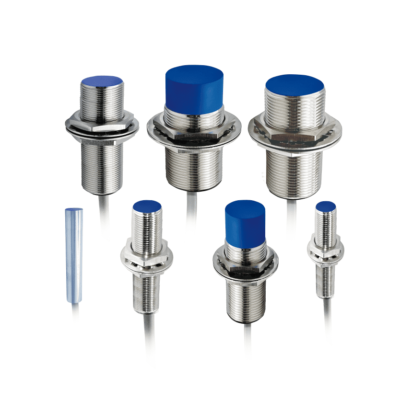
Features: Designed for hazardous environments, fully compliant with NAMUR explosion-proof standards.
Applications: Used in petrochemical, coal mining, and other explosive environments for metal object detection.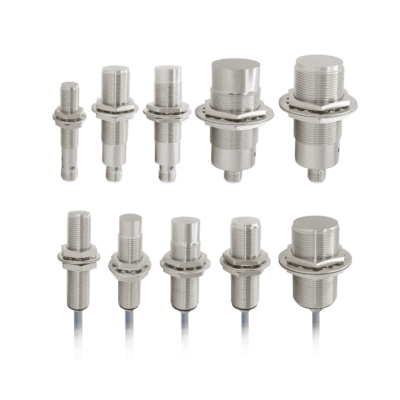
Features: Made with a full metal housing, wear-resistant, suitable for harsh environments.
Applications: High-wear areas such as machine tools and mining machinery.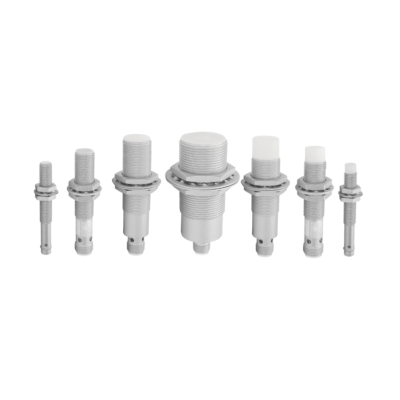
Features: Made with Teflon material, offering excellent chemical stability and corrosion resistance.
Applications: Suitable for the chemical industry and acidic or alkaline environments for metal object detection.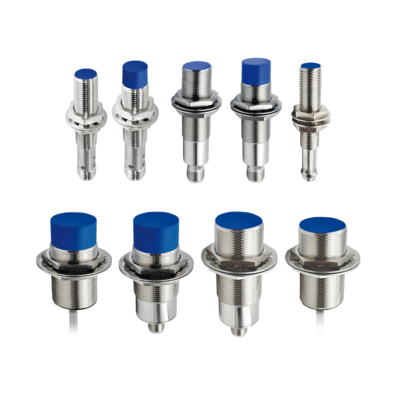
Features: Operates in temperatures ranging from -45℃ to 85℃, with good temperature stability.
Applications: Suitable for outdoor environments and extreme temperature conditions.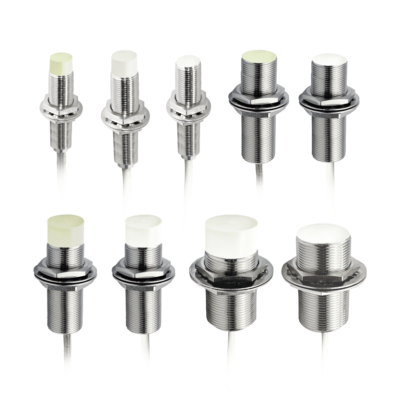
Features: Designed for high-temperature environments, capable of operating up to 230℃.
Applications: Used in steel plants and heat treatment processes for metal detection.
Specifications and Customization
Bedook inductive proximity sensors offer a sensing distance range from 0.6mm to 50mm, switching frequencies from 100Hz to 2000Hz, and power supply options including 10-30V DC, 20-250V AC, and 20-250V AC/DC. Available in NPN (negative switching) and PNP (positive switching) types to meet different market standards, and NO (normally open) and NC (normally closed) types to cater to various control needs. They offer both switch and analog outputs for different detection precision requirements and wiring options including DC2-wire, DC3-wire, and DC4-wire for diverse connection methods.
Company Overview
Founded in 2008, Bedook® Electronics Co., Ltd. employs over 200 people and specializes in the development, production, and sales of sensor products. Our offerings include ultrasonic sensors, photoelectric sensors, capacitive sensors, inductive sensors, light curtains, tension control systems, correction control systems, cables, connectors, and other controllers, with thousands of product varieties.
Bedook sensors are known for their professionalism and wide application range. Our products utilize internationally advanced production techniques and adhere strictly to ISO, UL, and other international standards, having obtained CE, ROHS, UKCA, CCC, and other authoritative certifications to ensure high quality and reliability.
With advanced technology, superior quality, and comprehensive service, Bedook products are sold worldwide. We uphold a market-oriented, research-driven, and innovation-led approach, always prioritizing customer interests. Our goal is to become a leading brand in the sensor industry and spearhead new trends in industry development.
Explore Bedook: Your Trusted Sensor Manufacturer
At Bedook, we specialize in designing, developing, and manufacturing a comprehensive range of proximity sensors and switches. Our extensive product lineup includes:
- Inductive Proximity Sensors
- Capacitive Proximity Sensors
- Photoelectric Sensors
- Ultrasonic Sensors
- Solid State Relays
- Various Accessories
With over 10,000 detailed product variations and a robust R&D team, we take pride in our ability to meet your unique requirements with tailored solutions and reliable performance.
Whether you’re seeking off-the-shelf products or customized designs, Bedook offers the expertise and production capacity to ensure your satisfaction.
Get in Touch Today!
We value your interest in our products and warmly encourage you to send us an inquiry. Let us help you find the perfect sensor solution for your application.
Thank you for considering Bedook—your trusted partner in innovation and quality manufacturing. We look forward to collaborating with you!
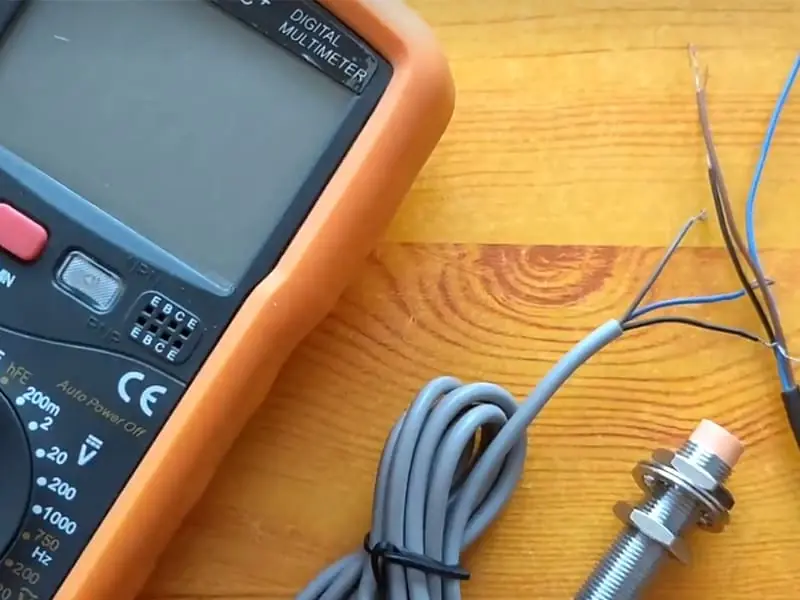 How to Test Inductive Proximity Sensors
 Wide Temperature Inductive Sensors VS High-Temperature Inductive Sensors