Inductive Proximity Sensors in Automotive Manufacturing: Applications and Advantages

Inductive proximity sensors in automotive manufacturing play a crucial role in enhancing precision, quality, and process efficiency across production lines.
By enabling non-contact, highly accurate metal detection, these sensors prove indispensable in demanding environments, resisting both wear and interference. From engine assembly to automated robotic alignment, inductive proximity sensors ensure seamless operation, contributing significantly to the automation and modernization of automotive production.
Their robust performance supports key manufacturing stages, underscoring their importance in achieving consistent quality and operational excellence in the automotive industry.
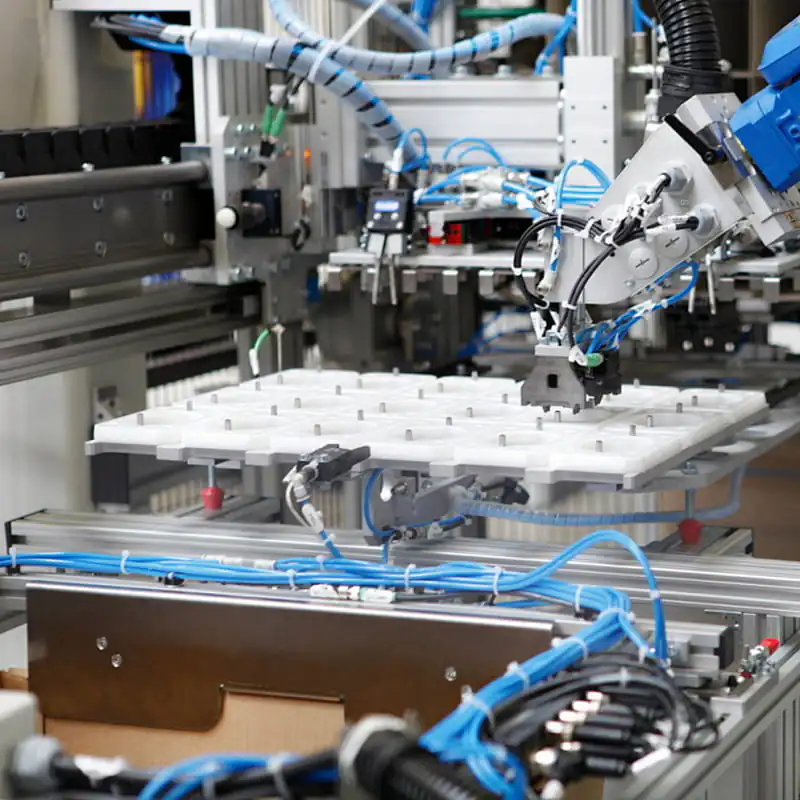
The Significance of Inductive Proximity Sensors in Modern Manufacturing
Inductive proximity sensors have become indispensable in automotive manufacturing, supporting both precision and efficiency on highly automated production lines. These sensors detect the presence, position, or movement of metal objects with high accuracy and without physical contact. The result is a boost in production stability and quality across diverse manufacturing processes. As a reliable, contactless sensing technology, inductive proximity sensors offer exceptional resistance to wear and interference, making them particularly suited for automotive manufacturing’s demanding environments. Their adoption has allowed automakers to achieve higher levels of automation, reduce downtimes, and maintain stringent quality control.
Core Features of Inductive Proximity Sensors in Automotive Applications
High-Precision Detection
Inductive proximity sensors offer accuracy levels up to ±0.01mm, meeting the stringent precision needs in automotive manufacturing. This precision is crucial during processes like alignment in engine assembly, where any misplacement could affect engine performance.
Superior Interference Resistance
These sensors are highly resistant to interference from magnetic and electric fields, making them ideal for operations in environments with heavy machinery or electrical equipment, where consistent and accurate detection is critical.
Fast Response Time
With response times as fast as 1 millisecond, inductive proximity sensors can monitor high-speed, dynamic components in real-time. This capability is essential in automated assembly lines where component positioning and alignment accuracy are paramount.
Durable, Non-Contact Operation
As non-contact devices, inductive proximity sensors experience minimal wear, resulting in long operational life, even in high-frequency applications. This feature is ideal for demanding processes, such as assembly and welding, where consistent performance and durability are required.
Resistance to Harsh Environments
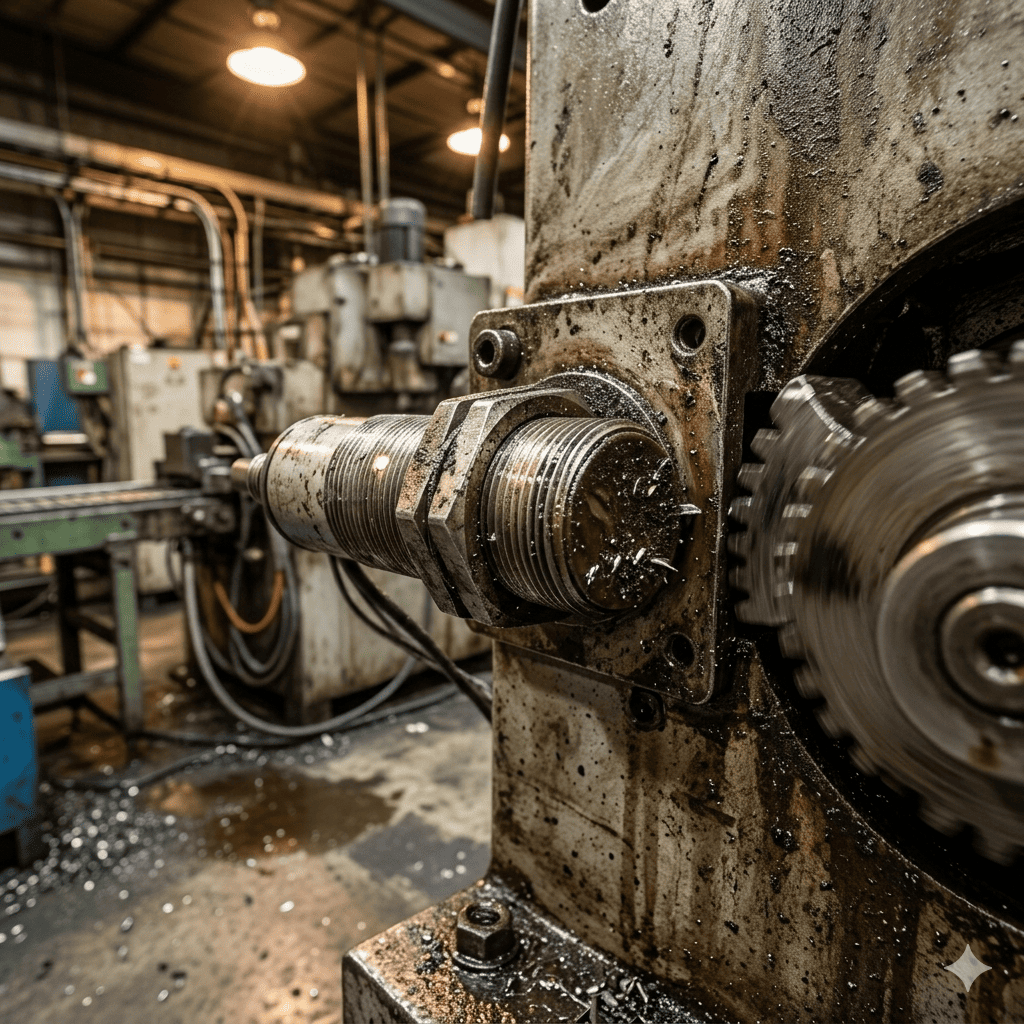
Built to withstand extreme temperatures, dust, and exposure to oil, inductive proximity sensors are suitable for high-stress environments typical in automotive manufacturing. Their durable construction allows them to operate reliably under challenging conditions.
Compact Structure, Flexible Installation
With a small and adaptable design, inductive proximity sensors are easy to install in various locations along the production line. This flexibility allows them to meet diverse application requirements without disrupting the existing workspace.
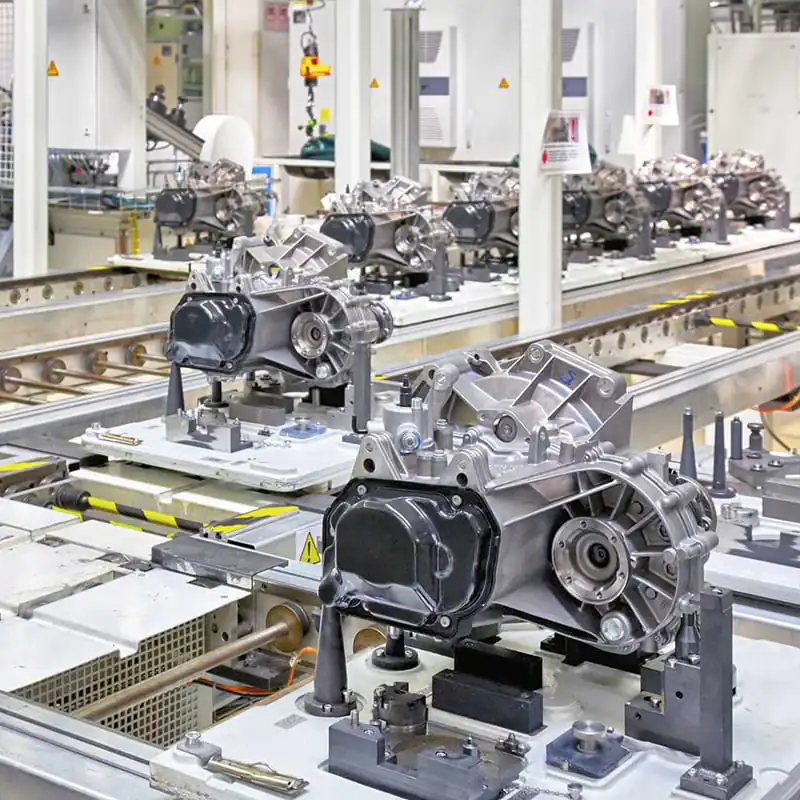
Specific Applications of Inductive Proximity Sensors in Automotive Manufacturing
- Engine Assembly
Inductive proximity sensors ensure accurate positioning of components such as the cylinder head and camshaft in the engine assembly line. For example, these sensors provide precise feedback during piston ring installation, reducing alignment errors that could impact engine performance and longevity. - Body Welding
In automotive body welding, inductive proximity sensors assist in the positioning of welding robots, ensuring that the weld joints are aligned precisely. This accuracy helps prevent misalignment, which can compromise weld strength and vehicle durability. Using these sensors for alignment can increase body strength by up to 15%, contributing to vehicle safety. - Coating Line Detection
In the paint shop, these sensors help ensure even coating thickness by detecting the precise position of the car body. This application requires sensors with high resistance to chemicals and heat. Real-time detection by inductive sensors keeps coating thickness within ±0.05mm, improving overall finish quality while reducing paint waste. - Quality Control
Inductive proximity sensors are ideal for quality assurance by measuring and verifying dimensions on parts like bolts and gears to ensure they meet design specifications. Their high detection precision of ±0.02mm makes them suitable for critical parts. This level of quality control can significantly reduce the production line’s defect rate. - Monitoring Conveyor Systems
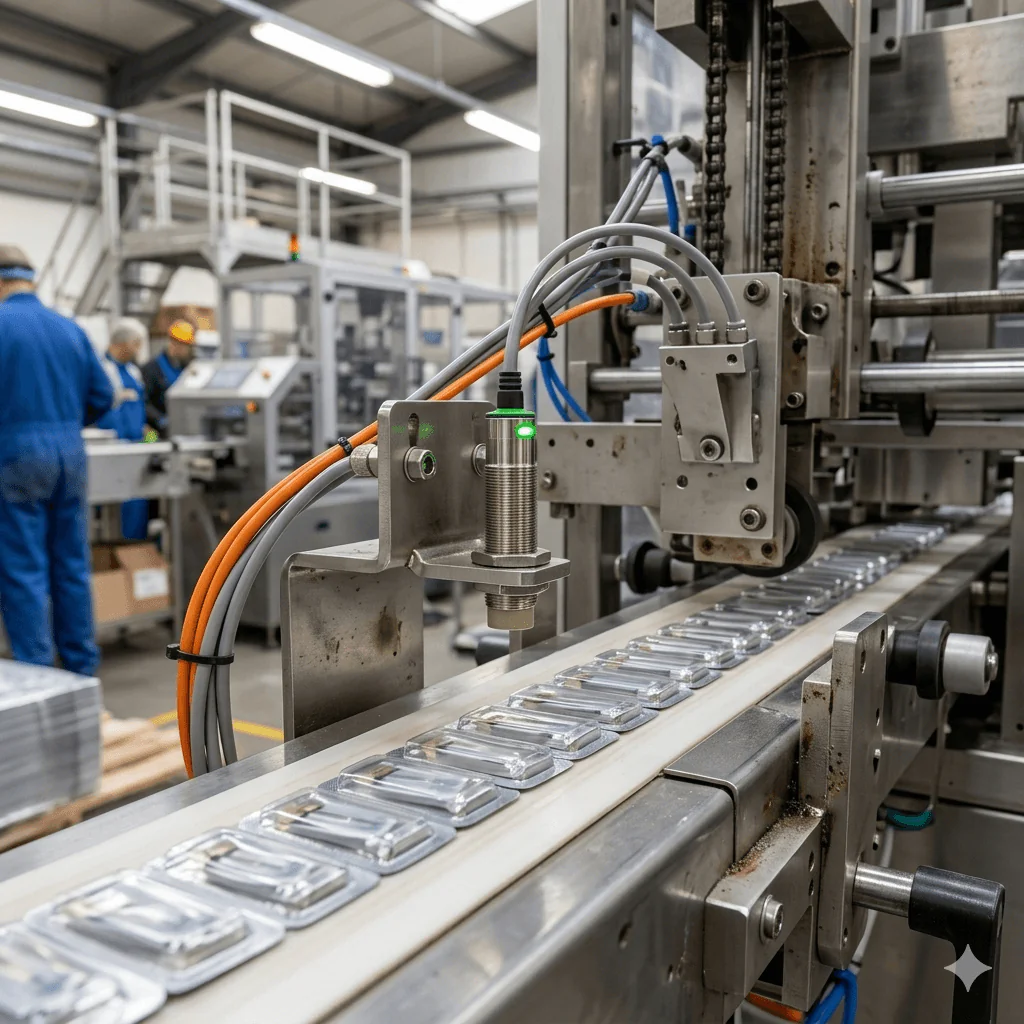
In conveyor applications, inductive proximity sensors monitor part positioning and speed, ensuring synchronization across workstations. They detect large parts from up to 50mm away, allowing seamless coordination throughout the production line. - Robotic Positioning
Inductive proximity sensors aid in precise robotic positioning during automated assembly processes. For instance, they assist in the installation of components like door hinges, where millimeter-level accuracy is required. This non-contact positioning approach enhances assembly precision and product consistency.
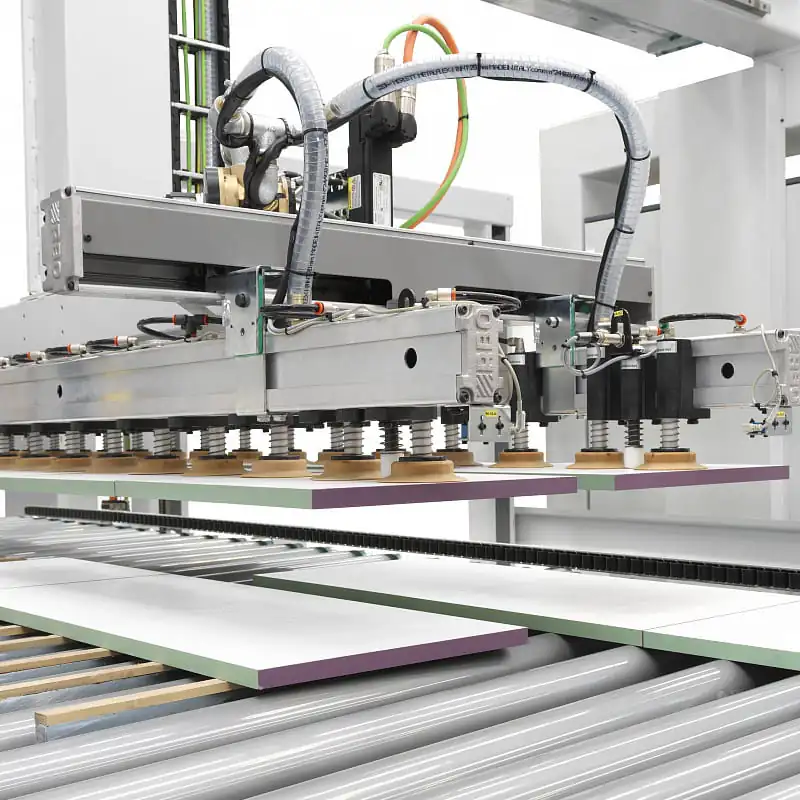
Selecting Inductive Proximity Sensors for Automotive Manufacturing
Selecting the right inductive proximity sensor involves evaluating several factors:
- Application Requirements
Clearly defining the type of metal to detect, detection range, and required accuracy ensures the right sensor choice. For smaller parts, shorter-range, high-precision sensors are ideal, while larger components may require sensors with a longer detection range. - Environmental Conditions
High-temperature, oil-filled, or vibration-prone environments call for sensors with high durability and temperature resistance for reliable performance. - Response Time and Frequency
In fast-paced assembly lines, selecting sensors with short response times and high switching frequencies ensures accurate detection in dynamic scenarios. - Installation Compatibility
Consider available installation space and preferred mounting styles, such as threaded or embedded designs, to facilitate seamless installation. - Power and Output Signal
Ensure compatibility with existing systems by selecting sensors with matching power voltage and output signals, such as PNP, NPN, or analog outputs. - Reliability and Longevity
High-quality sensors with proven reliability reduce maintenance and replacement costs, especially in demanding applications. - Cost Efficiency
Cost-effective sensors should be evaluated based on both initial and long-term costs, considering maintenance and potential downtime. - Reputable Manufacturer
Partnering with a reputable manufacturer with a proven track record ensures product quality and reliable support services.
Recommended Manufacturer – BEDOOK
As a leading manufacturer of inductive proximity sensors, BEDOOK is dedicated to providing high-performance and reliable sensor solutions for the automotive industry. Their products support various applications within the automotive manufacturing sector, offering robust technical support and excellent after-sales service. BEDOOK sensors deliver high-accuracy detection, durable performance, and environmental resilience, making them an ideal choice for maintaining high productivity standards in automotive production lines.
Explore Bedook: Your Trusted Sensor Manufacturer
At Bedook, we specialize in designing, developing, and manufacturing a comprehensive range of proximity sensors and switches. Our extensive product lineup includes:
- Inductive Proximity Sensors
- Capacitive Proximity Sensors
- Photoelectric Sensors
- Ultrasonic Sensors
- Solid State Relays
- Various Accessories
With over 10,000 detailed product variations and a robust R&D team, we take pride in our ability to meet your unique requirements with tailored solutions and reliable performance.
Whether you’re seeking off-the-shelf products or customized designs, Bedook offers the expertise and production capacity to ensure your satisfaction.
Get in Touch Today!
We value your interest in our products and warmly encourage you to send us an inquiry. Let us help you find the perfect sensor solution for your application.
Thank you for considering Bedook—your trusted partner in innovation and quality manufacturing. We look forward to collaborating with you!
 Application of Inductive Proximity Sensors in Metal Sorting
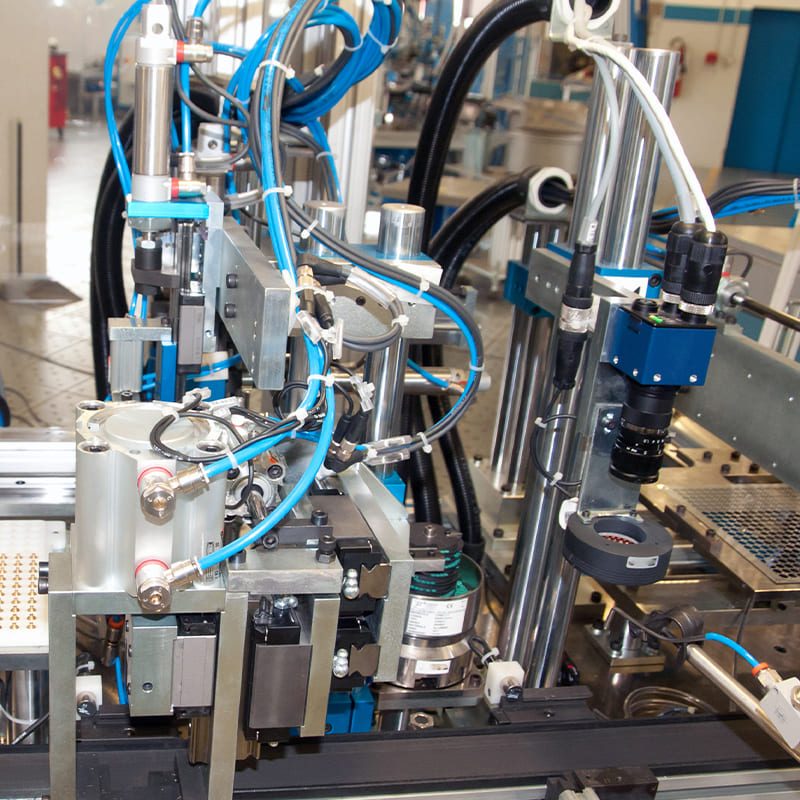 Inductive Proximity Sensors in the Packaging Industry: Applications and Benefits