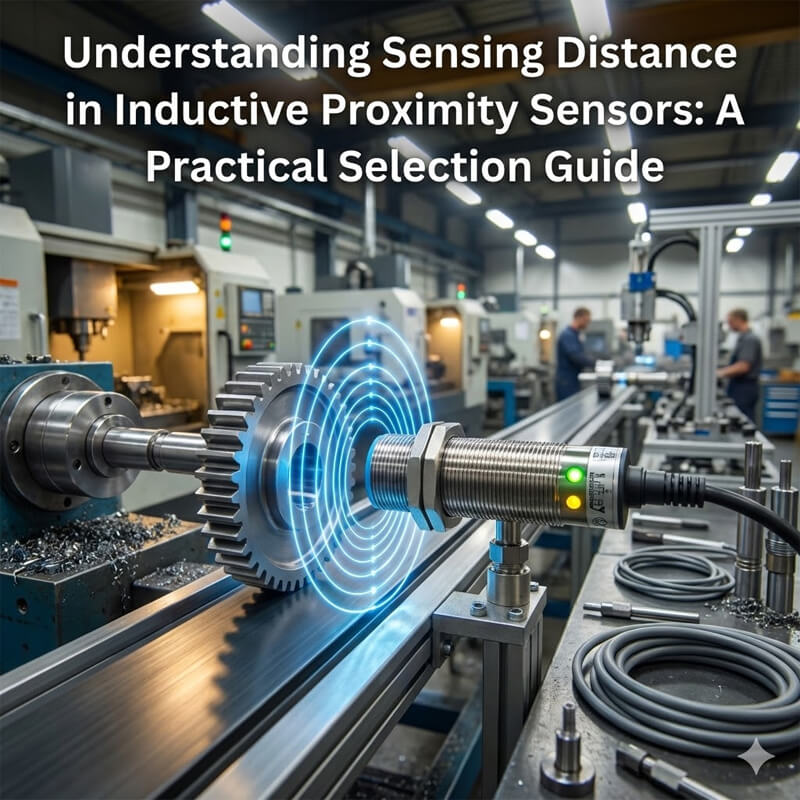
Inductive vs Capacitive Proximity Sensors: Industrial Selection Guide
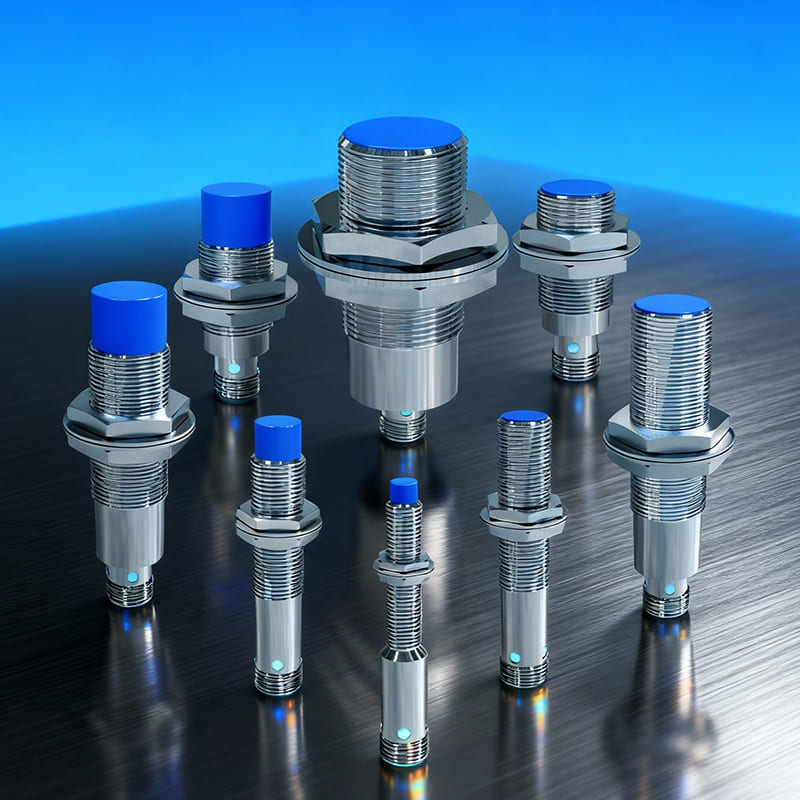
Why Sensor Type Selection Matters in Industrial Applications
In industrial applications, selecting the right proximity sensor type is not simply a matter of whether a target can be detected under ideal conditions. More often, an incorrect sensor choice does not lead to complete detection failure, but instead results in false triggering, unstable signals, and increased maintenance costs—all of which directly impact production efficiency.
The gap between “detectable in laboratory tests” and “reliable for long-term industrial operation” is often underestimated. Environmental fluctuations, mechanical vibration, and material variation can quickly turn a seemingly functional sensor into a source of unplanned downtime.
This raises the core engineering question addressed in this guide: between inductive and capacitive proximity sensors, which option offers higher reliability in industrial environments?
Basic Detection Principles (Without Going Too Deep)
This section focuses only on the functional principles required to understand how each sensor type behaves in real industrial conditions, without going into theoretical or circuit-level details.
How Inductive Proximity Sensors Detect Targets
Inductive proximity sensors detect metallic targets by monitoring changes in an electromagnetic field generated at the sensing face. They respond exclusively to metal objects and are largely insensitive to variations in humidity, dust, or ambient temperature.
Due to this inherent robustness, inductive sensors are widely regarded as the default choice in industrial automation for metal-related detection tasks.
How Capacitive Proximity Sensors Work
Capacitive proximity sensors detect objects by measuring changes in capacitance between the sensor and the target. This allows them to detect non-metallic materials such as plastics, liquids, and powders.
However, this detection method is significantly more sensitive to environmental influences—including humidity, dust accumulation, and temperature changes. As a result, capacitive sensors require more careful evaluation and control of operating conditions to ensure stable performance in industrial settings.
Target Material: The First and Most Critical Factor
When choosing between inductive and capacitive proximity sensors, the target material is the primary selection criterion. Compatibility between sensor type and target material determines the baseline reliability of the detection system.
Metal Targets: Why Inductive Sensors Are Preferred
For metal targets, inductive proximity sensors are the preferred solution in most industrial environments. Their advantages include:
- High operational stability under fluctuating conditions
- Strong resistance to dust, vibration, and electrical interference
- Reliable repeatability over long-term operation
These characteristics align closely with the core requirements of industrial automation: predictable behavior and minimal maintenance.
Non-Metal Targets: When Capacitive Sensors Make Sense
Capacitive sensors are often the only practical option for detecting non-metallic targets such as plastic components, liquid levels, or bulk powders. Their use is recommended only when specific conditions are met, including:
- A well-controlled environment with stable humidity and minimal dust
- Stable installation conditions with consistent sensing distance
- Limited exposure to vibration and material buildup
From an engineering perspective, material detectability must always be evaluated together with environmental stability. Even when detecting non-metallic targets, capacitive sensors may not be suitable if operating conditions are harsh or highly variable.
Environmental Conditions: Where the Real Differences Appear
The performance differences between inductive and capacitive proximity sensors become most evident in demanding industrial environments. Environmental factors often determine long-term reliability more than nominal technical specifications.
Sensitivity to Dust, Moisture, and Contamination
Inductive sensors are inherently robust against dust, moisture, and common industrial contaminants. Their detection performance is largely unaffected by non-metallic material buildup on the sensor surface.
Capacitive sensors, by contrast, are highly sensitive to these factors. Dust accumulation or changes in ambient moisture can alter the sensor’s capacitance baseline, leading to false triggering or missed detection. In practice, this often means more frequent recalibration and higher maintenance effort.
From an engineering risk perspective, this difference makes inductive sensors the lower-risk option in most industrial installations.
Temperature and Environmental Drift
Environmental drift caused by temperature and humidity changes is a more significant concern for capacitive sensors. Over time, these fluctuations can shift detection thresholds and compromise stability.
While inductive sensors are not completely immune to temperature effects, their drift is typically much smaller under comparable conditions. For long-term industrial operation, this translates into greater predictability and lower operational risk when using inductive sensors.
Installation and Adjustment Considerations
Installation constraints are a practical reality in industrial machinery, where space is limited, and vibration is common. Sensor tolerance to installation variation is, therefore, a critical selection factor.
Ease of Installation in Industrial Machinery
Inductive sensors offer greater tolerance to installation variations. Minor deviations in mounting position or gap size typically do not affect detection performance significantly.
Capacitive sensors are far more sensitive to installation geometry. Small changes in distance to surrounding structures—even non-target components—can influence detection behavior, requiring precise alignment and careful adjustment.
False Triggering and Stability Risks
False triggering is a major source of operational disruption in industrial environments. Inductive sensors are less prone to false signals caused by vibration, material accumulation, or nearby structural components.
Capacitive sensors face higher risks in these scenarios, as vibration and contamination can temporarily alter capacitance values. These issues are often not visible during initial testing but emerge after weeks or months of continuous operation.
Typical Industrial Applications: Which Sensor Fits Better?
Evaluating sensor suitability through real-world application scenarios provides more practical guidance than relying on specifications alone.
Applications Best Suited for Inductive Proximity Sensors
Inductive sensors are widely used in applications involving metal targets and dynamic industrial conditions, including:
- Detection of metal parts such as fasteners, gears, and machined components
- Position sensing in automated assembly lines
- Machine tool applications for tool or workpiece positioning
- Conveyor systems for detecting metal pallets or containers
Applications Where Capacitive Sensors Are Commonly Used
Capacitive sensors are typically applied in environments with non-metallic targets and relatively controlled conditions, such as:
- Detection of plastic components in packaging or molding processes
- Liquid level detection in tanks or pipelines
- Presence detection of powders or granular materials in hoppers
- Enclosed or controlled systems with stable environmental conditions
Common Selection Mistakes in Industrial Environments
Field experience shows that many sensor issues stem from avoidable selection mistakes:
- Choosing capacitive sensors for “versatility” without evaluating environmental stability
- Underestimating the impact of dust and humidity on capacitive detection performance
- Assuming laboratory feasibility guarantees long-term on-site reliability
These issues rarely appear during initial tests but often surface after extended operation, leading to unexpected downtime and maintenance costs.
Practical Selection Recommendations
Use the following guidelines to prioritize reliability and reduce operational risk:
- Metal targets in typical industrial environments: Inductive proximity sensors
- Non-metal targets in stable, controlled environments: Capacitive sensors (with caution)
- Non-metal targets in harsh environments: Consider inductive detection with metal surrogates or specialized capacitive solutions
- Applications prioritizing stability and low maintenance: Inductive sensors
- Uncertain on-site conditions: Conduct pilot testing before large-scale deployment
Final Thoughts: Reliability Over Versatility
In industrial environments, the most critical performance factors for proximity sensors are stability, predictability, and low maintenance requirements. These directly influence production continuity and operating costs.
Under most industrial operating conditions, inductive proximity sensors represent the safer long-term choice due to their robustness against environmental variation and lower susceptibility to interference. Capacitive sensors remain valuable for non-metallic detection, but only when operating conditions are well controlled and carefully monitored.
When making selection decisions, prioritizing long-term reliability over short-term versatility significantly reduces unplanned downtime and maintenance effort in industrial automation systems.
Explore Bedook: Your Trusted Sensor Manufacturer
At Bedook, we specialize in designing, developing, and manufacturing a comprehensive range of proximity sensors and switches. Our extensive product lineup includes:
- Inductive Proximity Sensors
- Capacitive Proximity Sensors
- Photoelectric Sensors
- Ultrasonic Sensors
- Solid State Relays
- Various Accessories
With over 10,000 detailed product variations and a robust R&D team, we take pride in our ability to meet your unique requirements with tailored solutions and reliable performance.
Whether you’re seeking off-the-shelf products or customized designs, Bedook offers the expertise and production capacity to ensure your satisfaction.
Get in Touch Today!
We value your interest in our products and warmly encourage you to send us an inquiry. Let us help you find the perfect sensor solution for your application.
Thank you for considering Bedook—your trusted partner in innovation and quality manufacturing. We look forward to collaborating with you!
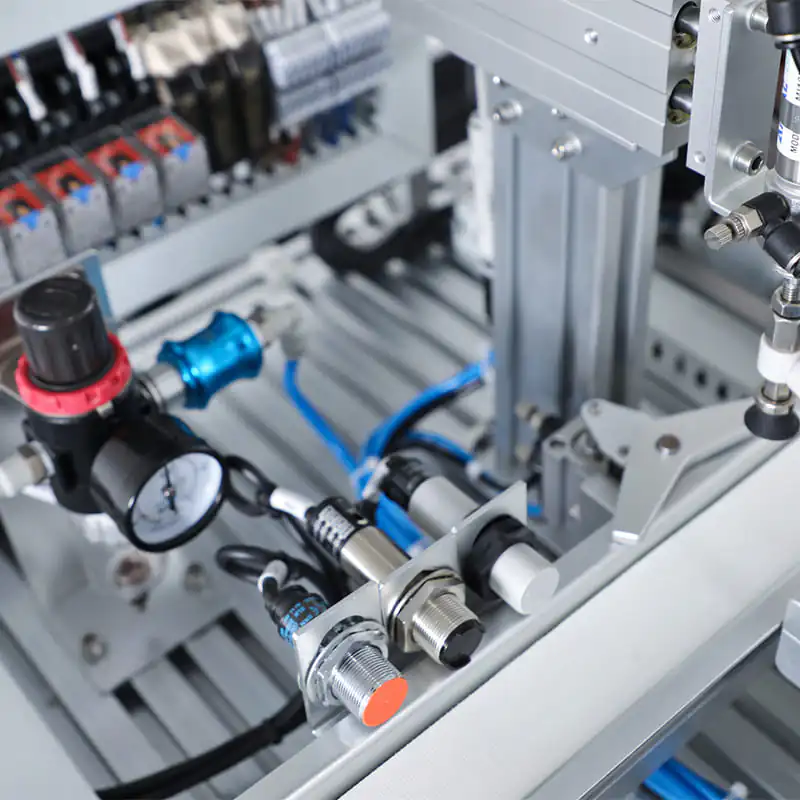 How to Choose the Right Inductive Proximity Sensor for Your Application
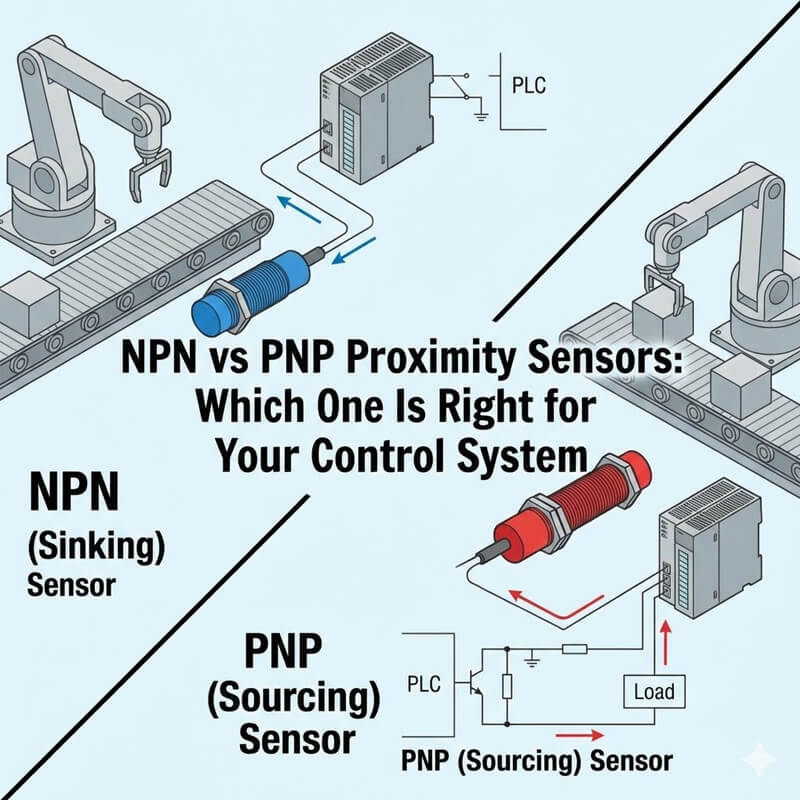 NPN vs PNP Proximity Sensors: Which One Is Right for Your Control System